
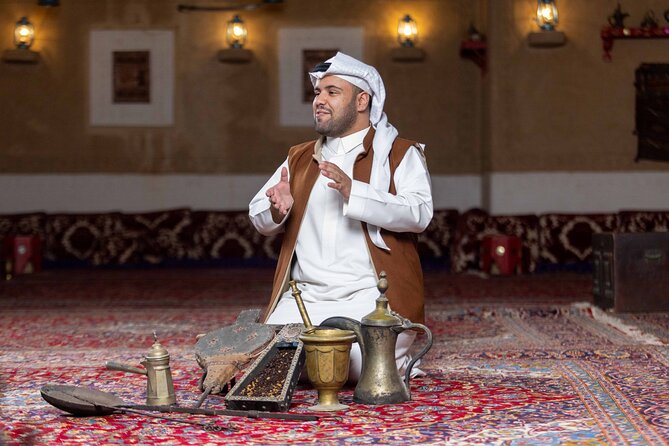
Reviewed · RIYADH TOURS
Interactive Saudi Cuisine and Cultural Experience
Saudi culture comes alive over dinner. This Riyadh experience combines a Najd regional feast with hands-on lessons in dress, spices, coffee, smoked water, honey, tea, and incense. I like the way it gives you something to do at nearly every stage, and I especially like that the food comes with explanations about its origins and proper dining customs. The main consideration is the price: at $216 for about two and a half hours, it is a serious splurge, especially if your main goal is simply to eat.
I also like the personal touch created by the hosts, particularly Suliman, who receives repeated praise for his warm hospitality and clear cultural storytelling. The spice-blending activity gives you a small souvenir to take home, while the tasting of Aseer honey adds a pleasant regional detail that many standard food tours would skip. Unusual dietary restrictions may be hard to accommodate, so ask before booking if your diet is complex.
In This Review
- Key points at a glance
- Why this Riyadh food experience is different
- Starting with the shemagh and hama
- Following the old spice routes by smell
- Seeing smoke-infused water from southern Saudi Arabia
- Sitting down to a Najd regional feast
- Ending with Aseer honey, dessert, tea, and incense
- The guide and the feel of the evening
- Who will get the most from it
- Is $216 a fair price?
- Practical details before you book
- Should you book Celebration of Saudi?
- FAQ
- Where does the experience begin?
- What time does the activity start?
- How long does the experience last?
- Where does the activity end?
- How much does the experience cost?
- What food region is featured during the main meal?
- Can I take anything home?
- Can unusual dietary restrictions be accommodated?
- What is the cancellation policy?
Key points at a glance
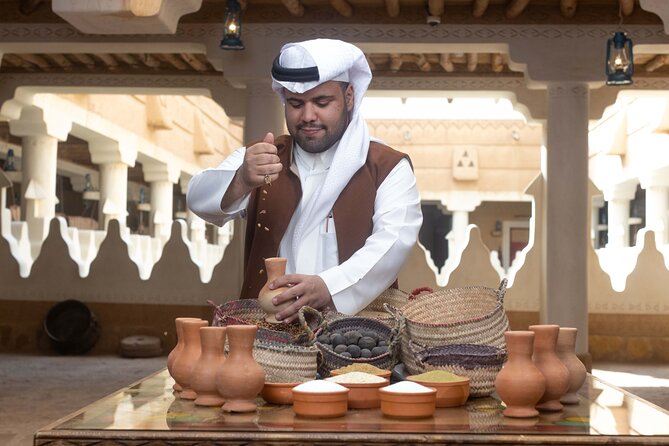
- Dress the part: Learn how to fit a traditional Saudi shemagh or try Arabic jewelry called hama.
- Make your own spice blend: Identify aromas, then blend Saudi Arabia’s number one spice mix to use during dinner and take home.
- See southern smoke-water techniques: Watch a traditional preparation method before learning how to make Arabic coffee.
- Taste a full Najd meal: Several dishes are served, with explanations of their origins and lessons in Saudi dining etiquette.
- Finish with Aseer honey and tea: Sample award-winning honeys, choose a favorite for dessert, then learn about traditional tea and incense.
- Plan for an evening commitment: The activity begins at 7:30 pm at Najd Village in Riyadh and lasts about two hours and thirty minutes.
Why this Riyadh food experience is different

Many food activities ask you to sit, eat, and listen. Celebration of Saudi keeps your hands busy. You adjust a shemagh, handle jewelry, smell spices, blend your own mixture, watch smoke-infused water being prepared, and take part in Arabic coffee and tea traditions.
That format matters because food makes more sense when you understand the customs around it. The meal is not treated as a parade of plates. You learn where the dishes come from, how they fit into Najdi culture, and how to approach Saudi dining etiquette.
I see this as an introduction rather than a specialist culinary class. You will not leave with a professional chef’s training, and the food preparation is not described as a full cooking workshop. Instead, you get a broad and friendly look at Saudi Arabia through the table.
The setting at Najd Village, on King Abdul Aziz Branch Road in the Alyasmin area, gives the evening a clear cultural focus. The activity begins at 7:30 pm and ends at the same meeting point, making it easier to fit into an evening schedule if you are staying in Riyadh.
Trips travellers in Riyadh book alongside this one:
- Riyadh: Edge Of The World, camels &Stargazing with 4×4
★ 4.7 · 1,050 reviews - Edge of The World Riyadh with Camel Ride ,Bat Cave Visit & Dinner
★ 5.0 · 778 reviews - Riyadh: 4×4 Trip to the Edge of the World at Sunset
★ 4.9 · 719 reviews
Starting with the shemagh and hama
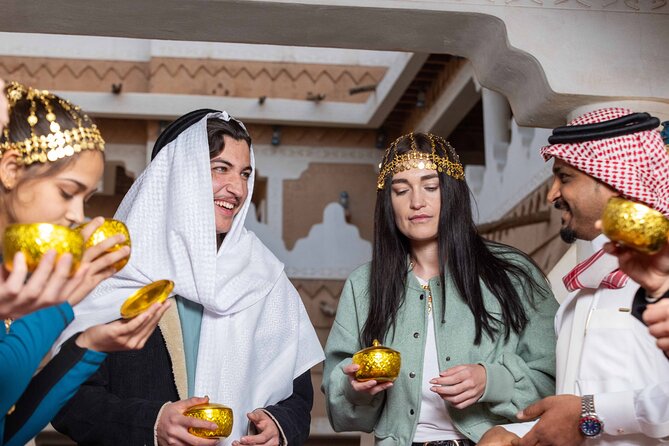
The evening opens with a lesson in traditional Saudi dress. You learn how to fit your own shemagh, the familiar head covering worn by Saudi men, or explore hama, described here as Arabic jewelry.
This is a small activity, but it works well as an icebreaker. You are not simply watching a demonstration from across the room. You have a chance to handle the items and understand how they are worn.
For a first visit to Saudi Arabia, this opening offers useful cultural context without turning into a formal lecture. Clothing carries meaning, and learning how to arrange it gives you a practical connection to local customs.
It also helps set the tone for the rest of the evening. The format is social and participatory, so you should expect to interact with the host and the other people at your table. If you prefer a quiet dinner with little instruction, this may feel more structured than you want.
The strongest feedback about the hosting centers on Suliman. His role goes beyond explaining procedures. He is praised for telling the stories linked to the culture and for making the evening feel welcoming. A good host matters here because several activities depend on clear demonstrations and lively explanation.
Following the old spice routes by smell
The spice session is one of the most memorable parts of the program because it asks you to use your nose before you use your fork. You take part in a spice identification game, then learn to blend Saudi Arabia’s number one spice mix.
The activity gives you two rewards. First, it helps you notice the aromas that shape Saudi cooking. Second, you create a blend that can be used on your food and taken home as a souvenir.
That take-home element adds value to what might otherwise be a short demonstration. You have something tangible to remember the evening by, and the blend may help you connect later meals with what you learned in Riyadh.
I would pay close attention during this part, even if you already cook with spices. The point is not only to name ingredients. It is to see how a finished blend becomes part of a regional meal.
The spice game also gives the program a welcome change of pace. After the clothing lesson, you move from visual details to scent. Then the activity turns into a tasting preparation, so the material has a clear purpose rather than feeling like a random quiz.
Seeing smoke-infused water from southern Saudi Arabia
Next comes a demonstration of traditional smoke-infused water from the south of the kingdom. The supplied details do not specify every step or ingredient, so you should think of this as a cultural demonstration rather than a recipe class.
Its value lies in showing that Saudi food traditions vary by region. The evening later focuses on Najd, while this water technique points to the south. In a short program, that regional contrast helps you see Saudi Arabia as a country with distinct local customs, not one single national menu.
This is also a good example of why the activity works better than a meal alone. A dish or drink can seem unusual when served without context. Once you see how an old method is prepared and hear where it comes from, it becomes easier to understand its place in daily life and hospitality.
The demonstration is followed by a lesson in traditional Arabic coffee. Coffee is closely tied to welcoming people, and learning the steps gives you another look at the rituals surrounding food and drink.
Do not expect a long barista course. The program is designed to introduce you to the method and its cultural role. The appeal is the combination of process and explanation, not technical certification.
A different idea for your next free day:
- Edge Of The World Hike(Dinner under stars,village,bats cave,camp)
★ 4.5 · 675 reviews - Edge of the World with 4×4 vehicles, sunset Dinner and stargazing
★ 4.5 · 567 reviews - Riyadh: Edge Of The World and Bats Cave Tour by 4×4
★ 4.7 · 394 reviews - Edge of The World Riyadh,Camel Ride ,Bat Cave Visit & Dinner
★ 4.6 · 269 reviews
Sitting down to a Najd regional feast
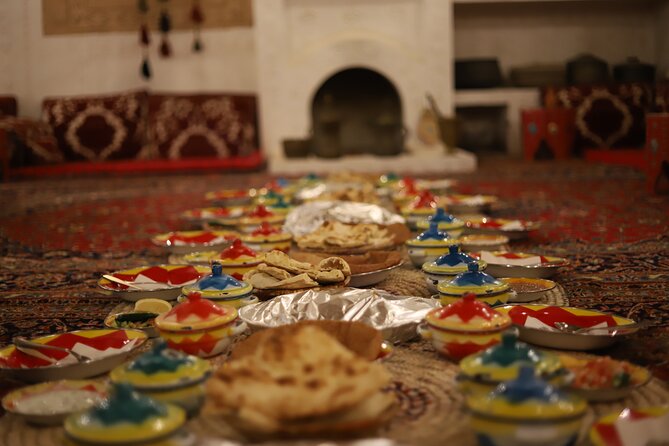
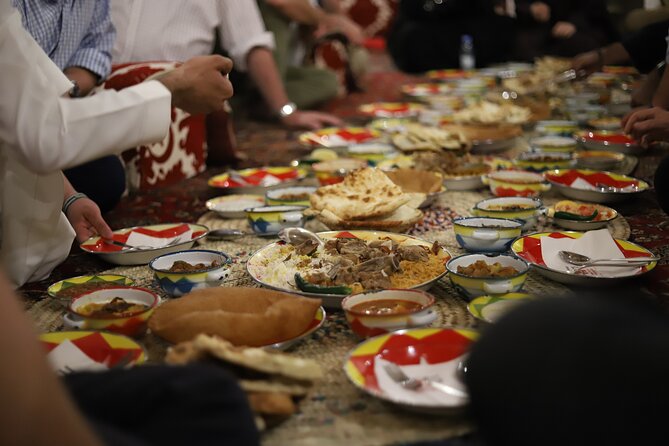
The main meal is a multi-dish feast from the Najd region. Each dish is explained, including its origins, so the dinner becomes a guided introduction to regional food rather than a blind tasting.
The information provided does not name the individual dishes, which is worth noting if you need a precise menu before booking. You should also be aware that unusual dietary restrictions may be difficult to accommodate. If you have strict requirements, contact the provider in advance rather than relying on last-minute adjustments.
For most diners, the value comes from the range of food and the stories attached to it. You get a chance to taste several preparations in one sitting, while the host explains how they fit into Saudi culture.
The meal also includes a lesson in Saudi dining etiquette. This is useful if you plan to eat in local homes or restaurants during the rest of your stay. You can enjoy your dinner more when you understand the expected manners and the social meaning of sharing food.
The food receives strong praise, with repeated comments that it is delicious and that the full meal is a highlight. Still, the $216 cost should be judged against what is included beyond the food. You are paying for the meal, the demonstrations, the guided explanations, the interactive activities, and the cultural framing.
If you only want a filling dinner, you can almost certainly spend less elsewhere. If you want a planned evening that brings several traditions together, the price becomes easier to defend. The experience is particularly useful early in a Riyadh visit, when you want a broad introduction without arranging separate food, craft, and cultural activities.
Ending with Aseer honey, dessert, tea, and incense
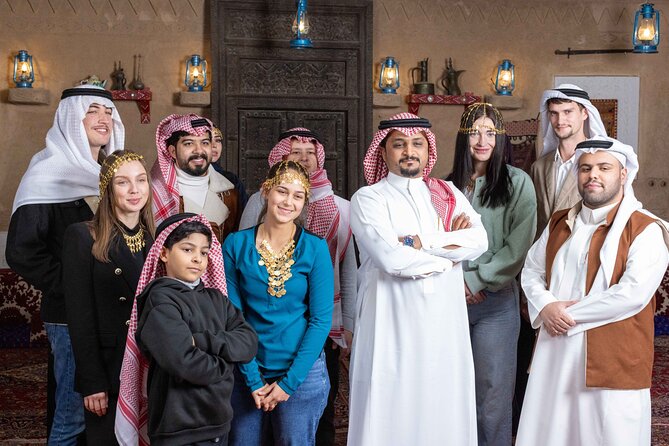
The final food section focuses on award-winning honeys from the Aseer region. You sample several varieties, choose a favorite, and enjoy it with dessert.
This is a smart way to finish the meal. Honey provides a clear contrast to the savory dishes, and choosing your favorite makes the tasting personal. It also introduces another part of Saudi Arabia after the main focus on Najd.
The program then moves into a traditional tea and incense class before you head home. Again, this is an introduction rather than an advanced lesson, but it gives the evening a calm closing rhythm.
The incense session is especially useful for anyone interested in the atmosphere of Saudi homes and hospitality. The details supplied do not identify the exact incense materials or technique, so you should not book expecting a detailed shopping guide or a full workshop. You can expect an explanation and class connected to the tradition.
Ending back at the meeting point keeps the logistics simple. There is no separate drop-off location listed, and the activity begins and ends at Najd Village. You will need to arrange your own way to the start point, since transport is not listed as a feature.
The guide and the feel of the evening

The host can make or break an experience built around explanation. Here, Suliman receives particularly warm praise for his hospitality, cultural storytelling, and ability to guide the group through the evening.
That praise matches the design of the program. You need someone who can explain why the shemagh is worn, make the spice activity engaging, describe the regional food, and keep the coffee, tea, and incense sections connected.
The maximum group size is 50 people. That is not a tiny private class, so the atmosphere may feel more like a hosted cultural dinner than an intimate cooking lesson. The size can also make the session more social, which suits people who enjoy meeting others over a shared meal.
The program is recommended by all recorded ratings and has a five-star score from 113 reviews. Ratings alone do not tell you everything, but the repeated praise is specific: hospitality, food quality, and the guide’s cultural explanations are the main strengths.
Who will get the most from it
I would recommend this experience to first-time visitors who want a broad introduction to Saudi customs in one evening. You receive a useful mix of dress, spices, coffee, food, etiquette, honey, tea, and incense without having to coordinate separate activities.
It also suits seasoned visitors who want a structured food experience with cultural context. The spice blend and honey tasting add details that may still feel fresh even if you have already eaten Saudi food elsewhere.
Families and mixed-interest groups may appreciate the variety. Someone interested in cooking can focus on the spices and coffee. Someone curious about clothing or customs gets hands-on activities. Someone who mainly came for dinner gets a substantial multi-dish meal.
I would hesitate to recommend it to a person seeking a quiet, private meal, a detailed cooking course, or a guaranteed menu for unusual dietary needs. The group can reach 50 people, and the evening has several teaching segments, so it is not designed as a simple restaurant reservation.
Is $216 a fair price?
The price is $216 per person. That is high for a two-hour-thirty-minute evening if you measure value only by the amount of food.
The calculation changes when you count the full program. You receive a hosted cultural lesson, dress instruction, a spice identification game, your own spice blend, a smoke-infused water demonstration, Arabic coffee instruction, a multi-dish Najdi feast, dining etiquette, Aseer honey tasting, dessert, tea, and incense.
I would call it good value for someone who wants convenience and variety in a single booking. You are buying a ready-made cultural evening, not just a plate of food.
The strongest reason to pay the price is time. A short Riyadh stay can make it hard to arrange separate introductions to regional food, coffee customs, traditional dress, and local hospitality. This activity gathers them into one 7:30 pm appointment.
The weaker point is flexibility. The exact food menu is not provided, unusual dietary needs may be difficult, and a group of up to 50 means you are not guaranteed a private setting. Consider those limits before you decide the price works for you.
Practical details before you book
You receive confirmation at the time of booking, and the activity uses a mobile ticket. The start point is Najd Village, King Abdul Aziz Branch Road, Alyasmin, Riyadh 13322, Saudi Arabia.
The scheduled start is 7:30 pm. The total duration is approximately two hours and thirty minutes, although you should leave enough room in your evening for the program to run at its natural pace.
The experience ends at the starting point. Transportation is not listed, so plan your route to Najd Village yourself.
Most people can participate. The main practical warning concerns food restrictions. Unusual dietary requirements may be hard to accommodate, and the individual dishes are not listed in the supplied details.
Free cancellation is available if you cancel at least 24 hours before the local start time. Cancellations or changes made within 24 hours are not refunded or accepted. A minimum number of participants is required, and if the activity is canceled for that reason, you are offered another date or experience, or a full refund.
Should you book Celebration of Saudi?
Book it if you want one lively evening that explains Saudi culture through food and participation. The strongest parts are the spice blending, the Najd meal, the Arabic coffee lesson, and the personal hosting associated with Suliman.
The program is especially helpful for first-time visitors who want context before exploring more restaurants or accepting local invitations. You leave with more than a full stomach: you have handled traditional clothing, made a spice blend, learned about regional customs, tasted Aseer honey, and seen how tea and incense fit into hospitality.
Skip it if $216 is beyond your budget, if you need a tightly controlled menu, or if you prefer a small private cooking class. For everyone else, this is a well-rounded cultural introduction with enough food and hands-on activity to justify its place in a Riyadh itinerary.
FAQ
Where does the experience begin?
It begins at Najd Village, King Abdul Aziz Branch Road, Alyasmin, Riyadh 13322, Saudi Arabia.
What time does the activity start?
The scheduled start time is 7:30 pm.
How long does the experience last?
The experience lasts approximately two hours and thirty minutes.
Where does the activity end?
It ends back at the meeting point, Najd Village.
How much does the experience cost?
The listed price is $216.
What food region is featured during the main meal?
The main meal is a multi-dish feast from the Najd region.
Can I take anything home?
Yes. You blend a Saudi spice mix to use on your food and take home as a souvenir.
Can unusual dietary restrictions be accommodated?
They may be difficult to accommodate. Contact the provider before booking if you have unusual dietary needs.
What is the cancellation policy?
You can cancel at least 24 hours before the local start time for a full refund. Cancellations or changes made within 24 hours are not refunded or accepted.
Just added around Riyadh
- Edge of the World Tour★ 5.0 · 3 reviews
- Riyadh: Full Day City Tour Guided with Transport★ 4.8 · 3 reviews
- Riyadh: King Fahad National Library Guided Tour★ 4.5 · 3 reviews
- Riyadh: Dining Experience at The Globe Restaurant★ 3.7 · 3 reviews
- Architectural Wonders of KAFD, An Iconic Destination★ 5.0 · 3 reviews
- Explore Edge of The World in a Private Trip with Saudi Dinner★ 5.0 · 3 reviews
- From Riyadh: Desert ATV Quad Bike Tour with Camel Ride★ 3.7 · 3 reviews
- Riyadh: Edge Of The World Tour★ 5.0 · 4 reviews
Riyadh Tours, compared.
Edge Of The World, camels &Stargazing with 4×4
Read our review →
Edge Of The World Hike(Dinner under stars,village,bats cave,camp)
Read our review →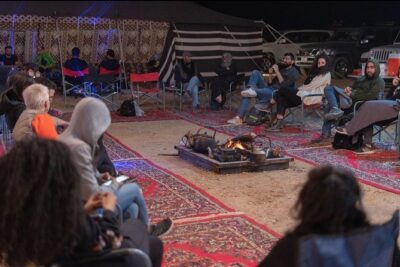
Edge of the World with 4×4 vehicles, sunset Dinner and stargazing
Read our review →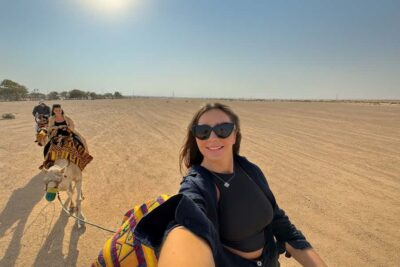
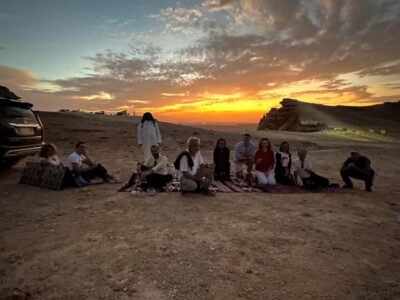
Riyadh Sunset Edge of the World & Deer Reserve 4WD Adventure
Read our review →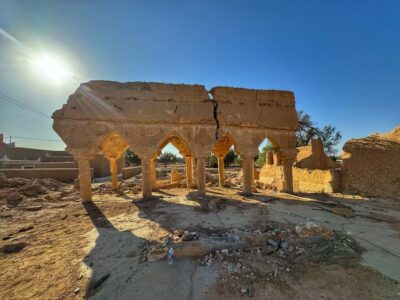
Edge of The World with dinner & Campsite Shared Tour
Read our review →
Edge of the World and Darb Al-Manjoor Adventure
Read our review →Browse the lists this tour appears in