
Reviewed · JEDDAH TOURS
Jeddah : Jeddah’s Traditional Tour
Jeddah reveals itself in layers. This four-hour tour brings together Old Jeddah’s traditional streets, Beit Nassif, the old gold market, the Ukash Mosque, Tahlia Street, the Corniche, and the modern waterfront in one compact outing. I especially like the mix of old and new, plus the convenience of hotel pickup, entrance tickets, and drop-off.
The strongest points are the chance to see lesser-known local sights such as Beit Nassif and the helpful cultural background provided by the driver. The main caution is time: one recent booking found parts of the visit self-guided, with a map and a tight schedule. This tour works best if you want a broad introduction, not a slow, detailed walk through every corner of historic Jeddah.
In This Review
- Key points at a glance
- What the four-hour route is trying to show you
- Starting along Tahlia Street
- The Tayyebat Museum and Jeddah’s long story
- Entering Old Jeddah and Beit Nassif
- Gabel Street and the old gold market
- The Ukash Mosque and Old Jeddah’s religious character
- The Corniche, Jeddah sign, and fountain
- SuperDome Jeddah and the waterfront finish
- Guide quality, language, and meeting points
- Is $54 good value for four hours?
- Who should book this Jeddah tour?
- Should you book Jeddah’s Traditional Tour?
- FAQ
- How long does Jeddah’s Traditional Tour last?
- How much does the tour cost?
- Is hotel pickup included?
- Are entrance tickets included?
- Are food and drinks included?
- What languages are available?
- Which places are included in the route?
- Is the SuperDome Jeddah an interior visit?
- Can I cancel for a full refund?
- Can I reserve the tour and pay later?
Key points at a glance
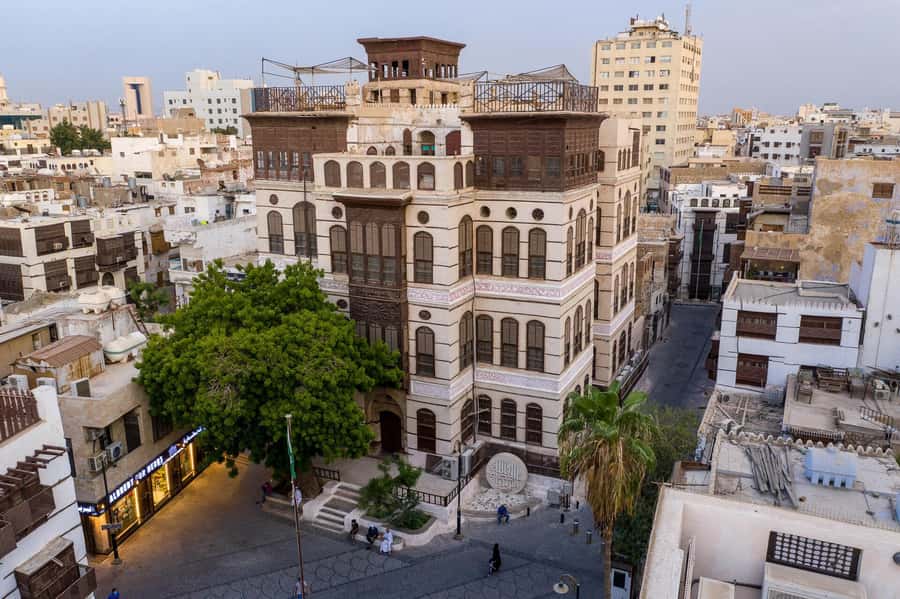
- Beit Nassif gives Old Jeddah a personal face: This traditional house is more than a photo stop. It helps you picture how an important local family once lived.
- Gabel Street adds an old-market stop: The gold market brings a practical, everyday side of Jeddah’s past.
- Tahlia Street shows present-day change: Shops, restaurants, and new development make this a useful contrast with the old quarter.
- The Tayyebat Museum offers a large dose of context: Its rooms recreate traditional Hijazi architecture and cover Jeddah’s 2,500-year story.
- The Corniche and waterfront finish the route well: You get the Jeddah sign, fountain, SuperDome photo stop, and a modern coastal setting.
- The guide can make or break the day: English and Arabic are offered, but clear meeting instructions matter, especially at the port.
What the four-hour route is trying to show you
At $54 per person, the tour is built around convenience and range. In four hours, you move from shopping streets and old buildings to museums, main roads, and the Red Sea coast. That gives you a useful first look at Jeddah, especially if your stay is short.
The tradeoff is simple: breadth comes before depth. You will cover many named places, but some stops may be brief. If you want long conversations about architecture, time to browse market stalls, or an unhurried walk through Old Jeddah, this schedule may feel pressed.
Hotel pickup and drop-off are included, along with driver assistance and entrance tickets. Food and drinks are not included, so plan to eat before or after the tour rather than expecting a meal stop to be part of the price.
Trips travellers in Jeddah book alongside this one:
- Jeddah: Bayada Leisure Boat Trip with Snorkeling
★ 4.3 · 138 reviews - Historical & Heritage Tour in Jeddah Al Balad
★ 5.0 · 57 reviews - Historic District Tour in Jeddah by a Local Guide
★ 5.0 · 49 reviews
Starting along Tahlia Street
The route begins with hotel pickup and a drive along Tahlia Street, one of the clearest places to see Jeddah’s current direction. The street is lined with shops and eateries, giving you a look at the city’s shopping and dining culture before the tour turns toward older quarters.
I like this opening because it gives you a useful point of comparison. Old Jeddah is marked by traditional buildings and historic streets, while Tahlia shows the city’s newer commercial side. The contrast helps you understand that Jeddah is not a preserved old town frozen in time. It is a working city changing quickly.
The description presents Tahlia as a place for a daily walk, but the route information centers on driving along it. Do not assume you will have a long independent stroll here. If you want to stop at a particular shop or restaurant, ask the driver early in the tour.
The driver shares information about Jeddah during this part of the route. Past bookings praised the clear English and the amount of information given about the city, culture, and religion. That is important in Saudi Arabia, where a little context can make ordinary streets and buildings far more interesting.
The Tayyebat Museum and Jeddah’s long story
The Tayyebat Museum is one of the more substantial cultural stops. It sits in the Al Faisaliyah district inside a multiroom complex designed to recreate traditional Hijazi architecture. Rather than presenting only a few isolated objects, the museum offers a broad account of Jeddah’s 2,500-year story.
That makes it a useful stop early in your understanding of the city. Jeddah’s position on important trade and pilgrimage routes helped shape its cosmopolitan character, and the museum gives you a setting for that wider story. You can look at the building itself as part of the exhibit, with traditional forms giving the visit a stronger sense of place.
The museum is also valuable because the rest of the tour moves quickly. A well-presented overview can help you recognize why Old Jeddah’s homes, markets, and religious buildings matter. I would pay attention to the architectural details here, since they connect with what you see later in Beit Nassif and the old quarter.
The available information does not specify how long you spend inside the museum. In a four-hour outing with several other stops, your visit may be an overview rather than a full museum study. If the museum is your main reason for booking, ask about the planned time before the vehicle leaves your hotel.
Entering Old Jeddah and Beit Nassif
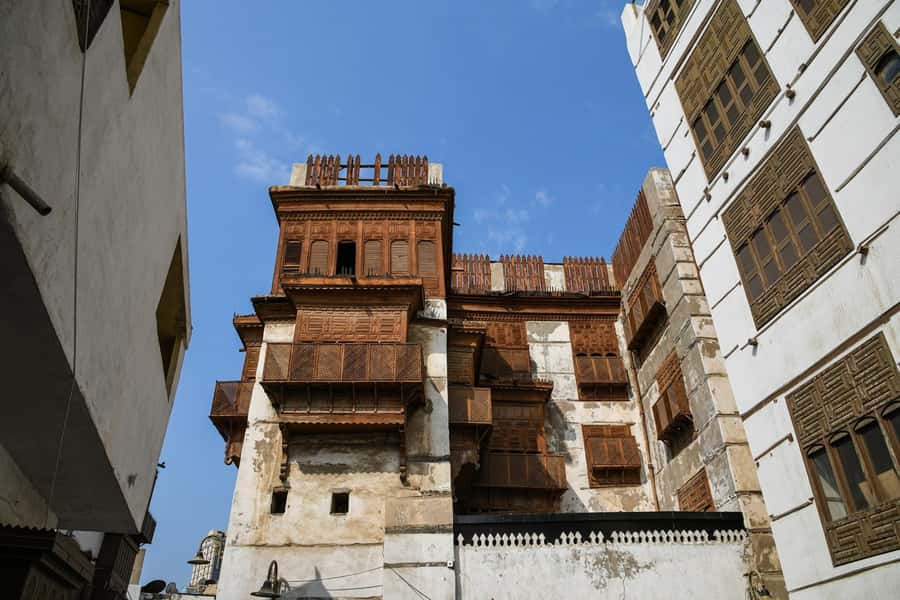
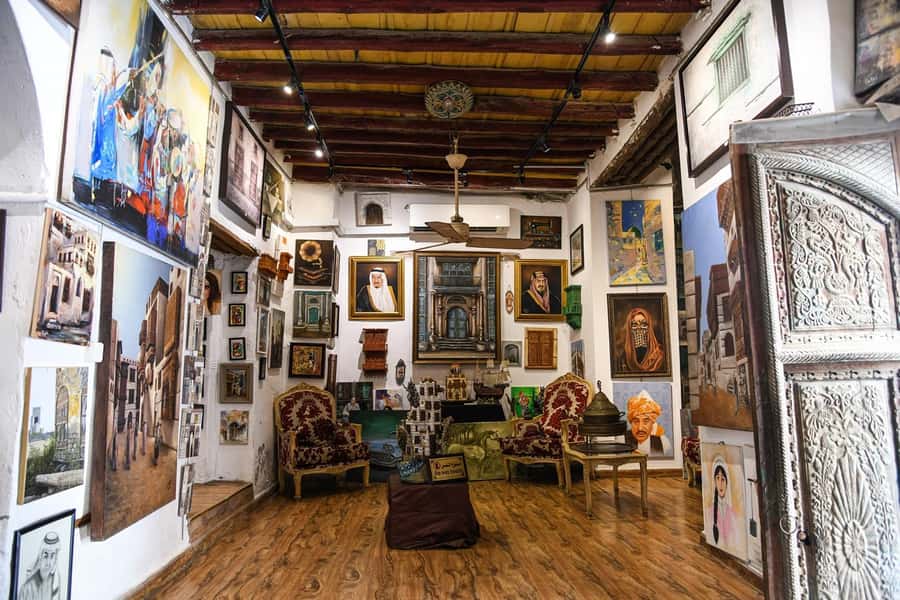
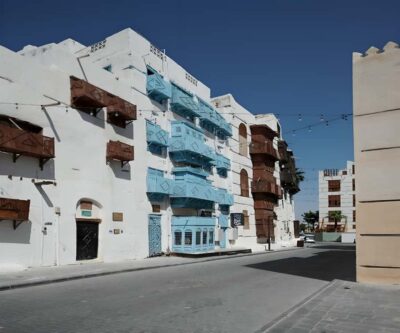
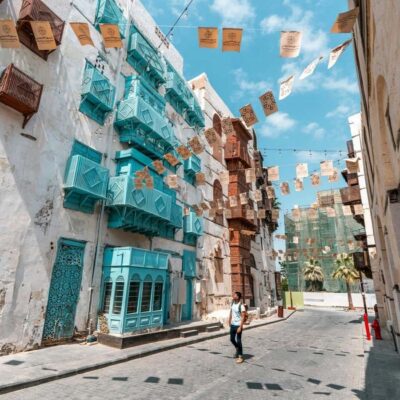
Old Jeddah is the heart of the experience. This is where the tour shifts from viewing the city through a vehicle window to seeing its older streets and buildings more closely. The area’s traditional architecture gives the outing its strongest sense of place.
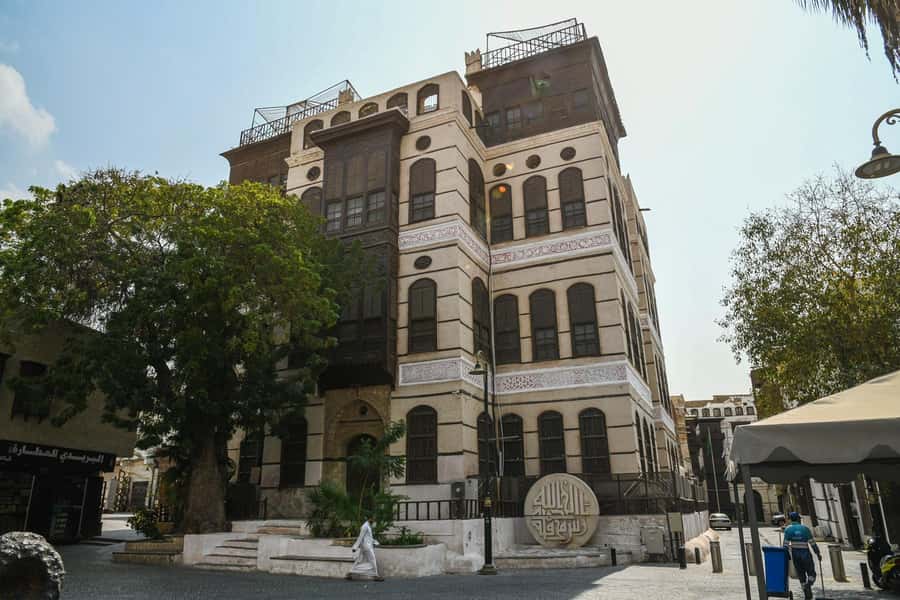
Beit Nassif is a key stop. The house is one of the less familiar sights highlighted by the tour, and that is part of its appeal. You get something more specific than a general drive through the old quarter. The building helps connect Jeddah’s public story with the lives of the people who lived and worked here.
I would not treat Beit Nassif as just another quick photograph. Look at the proportions, materials, and relationship between the house and the surrounding streets. Even if the visit is short, it can help you read the older part of Jeddah with more care.
One practical warning matters here. A booking in February 2025 described a friendly, well-informed driver but said that much of the Old Jeddah portion was self-guided. The visitor received a map, had limited time, and was asked to make their own way to a meeting point. That means you should keep track of the meeting location and return time instead of assuming the guide will lead you through every turn.
The tour may suit independent-minded visitors who like a little freedom. It may frustrate you if you expect a fully guided walking tour with the guide beside you at every stop.
A different idea for your next free day:
- Guided Tour in Jeddah by local woman
★ 5.0 · 48 reviews - Jeddah: Al-Balad Old Town Historical City Guided Tour
★ 5.0 · 47 reviews - Jeddah: Al-Balad Old Town Tour with Guide
★ 4.7 · 43 reviews - Jeddah Desert Safari: Quad Biking, Camel Farm & Sunset Views
★ 4.9 · 37 reviews
Gabel Street and the old gold market
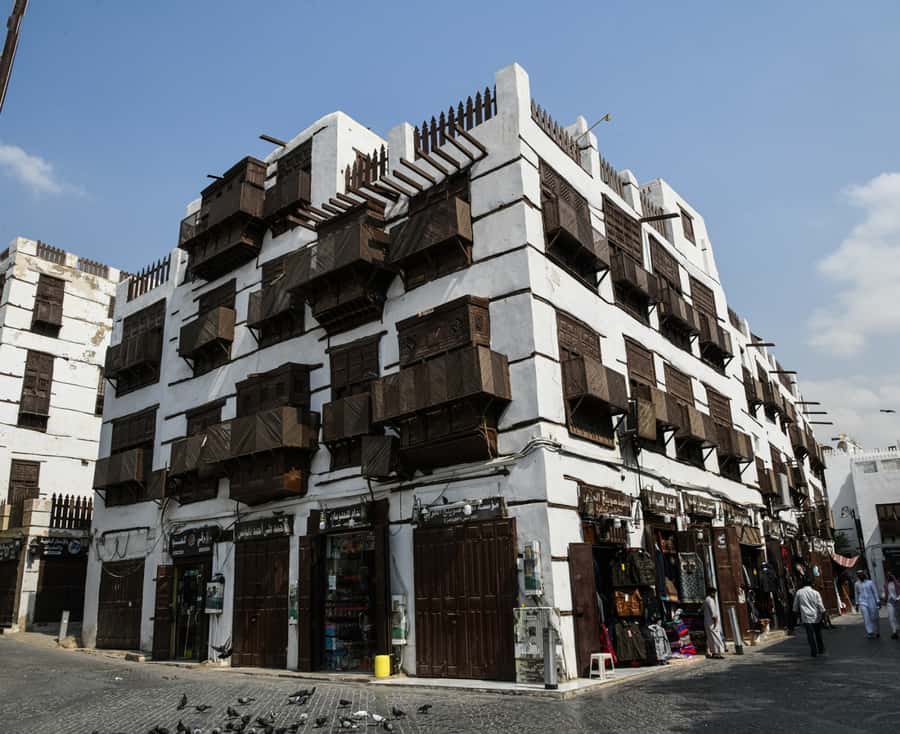
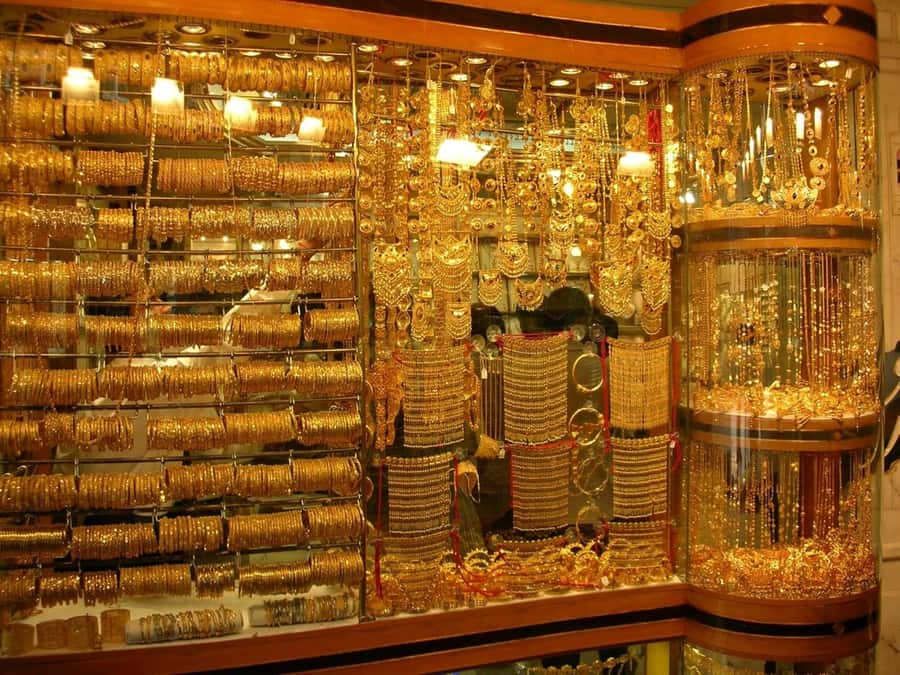
Gabel Street brings a commercial side to Old Jeddah. The old gold market is one of the more specific highlights, and it gives you a chance to see how shopping has long been part of the city’s identity.
Gold markets are visually strong, but this stop is not only about buying jewelry. The market helps you understand the practical role of the old quarter. Homes, religious sites, galleries, and shops once formed a connected urban center, rather than separate attractions arranged for visitors.
You might find this stop especially useful if you enjoy ordinary city life more than formal sightseeing. The market is part of the living texture of Jeddah, even if the tour does not provide a long browsing period.
Again, timing matters. Four hours is not enough for a leisurely market visit, a museum, several historic buildings, and a full Corniche outing unless each stop is tightly managed. Keep your phone, wallet, and meeting details easy to reach, and ask the driver whether there is time to shop before you begin looking at merchandise.
The Ukash Mosque and Old Jeddah’s religious character
The Ukash Mosque adds a religious and architectural note to the Old Jeddah route. Along with Beit Nassif and the gold market, it helps show that the old quarter was a place for homes, trade, faith, and daily activity all at once.
The mosque is best approached with respect for its religious setting. The supplied tour details do not state whether entry inside is included or how long you remain there, so you should expect the guide to explain the appropriate viewing arrangements on the day.
This stop may be brief, but it gives the route balance. Without it, Old Jeddah could seem like a collection of old houses and market lanes. With a religious landmark included, the area makes more sense as a community with a social and spiritual center.
The tour also mentions galleries in the old market area. No specific gallery names or visit lengths are provided, so treat this as part of the general Old Jeddah experience rather than a guaranteed gallery program. If art is important to you, ask what will be open during your visit.
The Corniche, Jeddah sign, and fountain
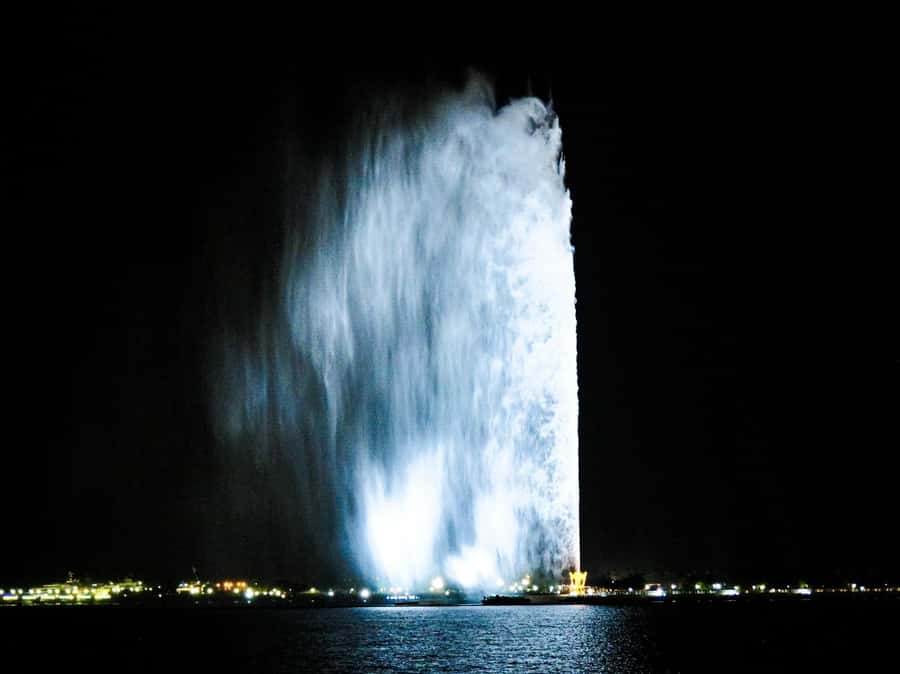
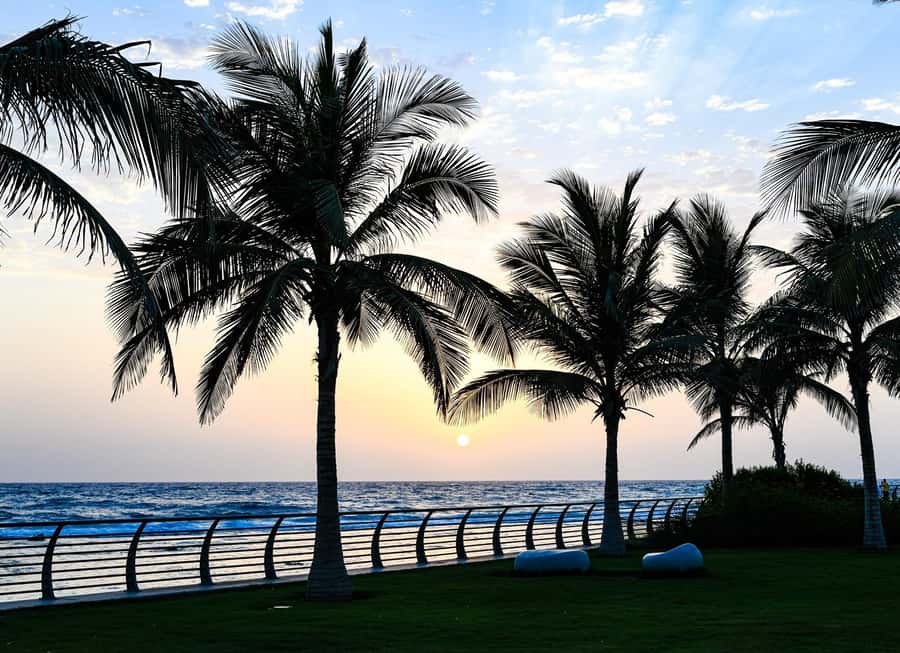
After the older districts, the route turns toward the Jeddah Corniche. This is a welcome change of pace. The Corniche offers open coastal views and a chance to see one of the city’s best-known public areas.
The planned stops include the Jeddah sign and fountain. These are straightforward photo opportunities, but they also show how the city presents itself in its modern public spaces. After narrow historic streets and traditional buildings, the open waterfront gives you room to pause and take stock.
The Corniche works well near the end of the tour because it does not demand the same concentration as the museum or Old Jeddah. You can enjoy the setting, take photographs, and listen to the driver’s final comments without trying to memorize another series of dates and names.
The exact amount of time at the Corniche is not specified. If photography is a priority, tell the driver. A four-hour schedule can make photo stops short, particularly if traffic or a longer museum visit affects the route.
SuperDome Jeddah and the waterfront finish
The SuperDome Jeddah is listed as a photo stop, adding a modern architectural note to the day. It is not described as an interior visit, so plan on seeing and photographing the building rather than taking a full tour inside.
The final stop is the Jeddah Waterfront, where the route brings together the city’s coastal setting and newer public development. This ending gives the tour a clear visual arc: traditional streets first, modern seaside spaces later.
I like that the finish is not simply another historic building. Jeddah is best understood through its contrasts, and the waterfront makes that point clearly. You see a city with old foundations and new ambitions.
The route then returns you to your hotel. That included drop-off is useful after a day of walking and short sightseeing stops, especially if you are still adjusting to the city.
Guide quality, language, and meeting points
The tour is offered with English or Arabic-speaking driver assistance. Past bookings praised the English explanations and the useful information about local culture and religion. One German booking specifically described the guide’s English as very good and said the most interesting places were covered.
There was also a positive experience with two guides, although the start was difficult because the group had trouble finding the guide at the port. A clear sign or meeting marker would have helped. If you are being collected from a port rather than a hotel, confirm the exact meeting point and vehicle details in advance.
There is one more serious point to keep in mind. A January 2024 booking reported that the arranged Old Jeddah tour was not provided and that the operator treated the reservation as a car city tour without the old town. The booking was disputed despite written confirmation. This appears to be an isolated but important warning, so save your confirmation and verify that the driver understands you booked the traditional Old Jeddah route.
The listed provider is Gray Line UAE & OMAN. The overall rating is 3.7 from 11 reviews, which signals a mixed record rather than a flawless one. The strongest praise centers on the guides and the cultural information. The main problems concern meeting arrangements, limited time, and one major mismatch over the planned route.
Is $54 good value for four hours?
The $54 price makes sense if you value transport, admission tickets, and a fixed route through several parts of Jeddah. You are paying for hotel pickup and drop-off, driver assistance, and entrance tickets, not just a short walk around Old Jeddah.
The value is strongest for first-time visitors with limited time. You can see Old Jeddah, the museum, Tahlia Street, the Corniche, and the waterfront without arranging separate taxis or working out the city’s layout on your own.
The value is weaker if you want an in-depth Old Jeddah walk. The schedule covers a lot, and at least one booking found the old-town section partly self-guided. You might get more from a dedicated walking tour if your main interest is architecture, markets, or historic buildings.
Food and drinks are extra. Since the outing lasts four hours, that is not a major problem, but you should plan around it. The tour does not promise a meal or refreshment stop.
Who should book this Jeddah tour?
I would recommend it to you if:
- You have only a short time in Jeddah.
- You want both historic and modern sights in one outing.
- You prefer hotel transport to arranging local rides.
- You want an English or Arabic-speaking driver.
- You enjoy a guided introduction but are comfortable exploring some stops independently.
- You want entrance tickets included in the price.
I would think twice if:
- You want a slow, detailed walking tour of Old Jeddah.
- You need every stop to be fully guided.
- You are mainly interested in shopping or museum time.
- You dislike tight schedules.
- You are booking from a port and cannot easily clarify the meeting point.
The best way to improve the experience is to confirm the exact route before pickup. Ask specifically whether Beit Nassif, Gabel Street, the Ukash Mosque, and the Tayyebat Museum are all planned for your date. Also confirm where you will meet the driver at each self-guided stop.
Should you book Jeddah’s Traditional Tour?
Book it if you want a broad first look at Jeddah and like the convenience of a private vehicle route with tickets and hotel transfers handled. The combination of Beit Nassif, Gabel Street, the Tayyebat Museum, Tahlia Street, and the Corniche gives you a useful picture of the city in only four hours.
Do not book it expecting an unhurried specialist tour of Old Jeddah. The itinerary is ambitious, and the experience may depend heavily on how clearly the driver explains the meeting points and how much time remains at each stop.
For the right kind of visitor, $54 is fair value. Save your confirmation, verify the Old Jeddah route, and ask how much independent walking is expected. Those simple checks address the main weaknesses while preserving the tour’s best feature: a practical introduction to Jeddah’s old streets, modern avenues, and coastal public spaces.
FAQ
How long does Jeddah’s Traditional Tour last?
The tour lasts four hours.
How much does the tour cost?
The listed price is $54 per person.
Is hotel pickup included?
Yes. Hotel pickup and hotel drop-off are included.
Are entrance tickets included?
Yes. Entrance tickets are included in the tour price.
Are food and drinks included?
No. Food and drinks are not included.
What languages are available?
Driver assistance is available in English and Arabic.
Which places are included in the route?
The planned sights include Old Jeddah, Beit Nassif, Gabel Street’s old gold market, the Ukash Mosque, Tahlia Street, the Tayyebat Museum, the Jeddah Corniche, the Jeddah sign and fountain, the SuperDome Jeddah photo stop, and the Jeddah Waterfront.
Is the SuperDome Jeddah an interior visit?
The SuperDome is listed as a photo stop. An interior visit is not specified.
Can I cancel for a full refund?
Yes. You can cancel up to 24 hours in advance for a full refund.
Can I reserve the tour and pay later?
Yes. The reserve now and pay later option allows you to book without paying at the time of reservation.
Just added around Jeddah
- Jeddah Airport to Medina Hotel Private Arrival Transfer★ 5.0 · 3 reviews
- Jeddah: Historic District Tour by a Local licensed Guide★ 5.0 · 3 reviews
- From Jeddah: Private Sea Trip to Bayadah Island★ 3.5 · 3 reviews
- Jeddah: Private Highlights Tour of Most Instagrammable Spots★ 5.0 · 4 reviews
- Half Day Jeddah Traditional City Tour★ 4.5 · 4 reviews
- Al Balad Old Town Tour in Jeddah Historical City★ 4.8 · 4 reviews
- Desert Safari with Quad Bike Tours Jeddah★ 4.0 · 5 reviews
- Historical and Heritage Tour in Jeddah★ 5.0 · 5 reviews
Jeddah Tours, compared.
Historic District Tour in Jeddah by a Local Guide
Read our review →

Jeddah Desert Safari: Quad Biking, Camel Farm & Sunset Views
Read our review →
Browse the lists this tour appears in