
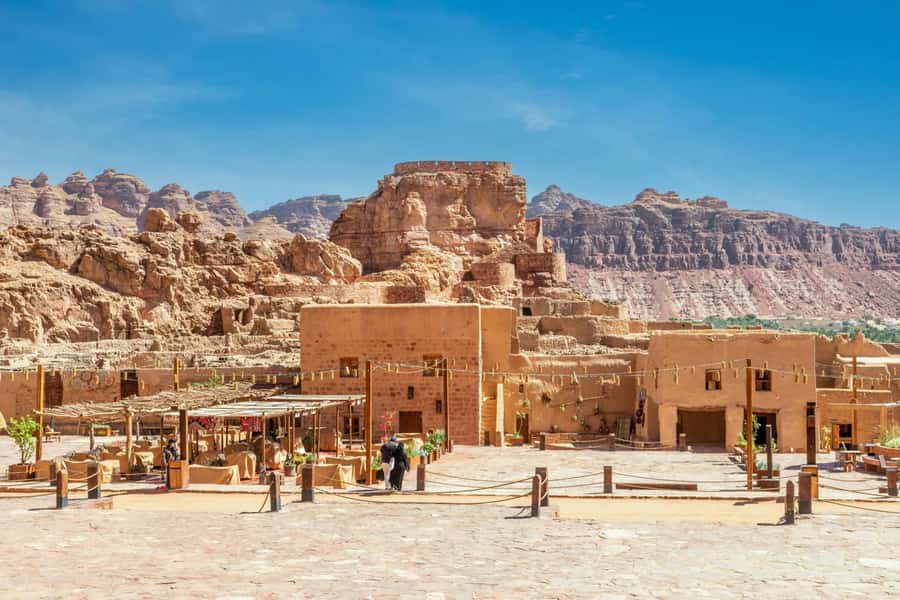
Reviewed · HISTORIC OLD TOWN & HERITAGE WALKS
Tour AlUla’s Old Town
Old walls still tell their stories. This AlUla Old Town walk takes you through nearly 1,000 mudbrick homes, narrow historic alleys, Old Market Street, and restricted areas near AlUla Fort. I like the chance to see parts of the town that are not open to the public, and I like that the guide explains how settlers and pilgrims shaped this desert community. The main concern is value: at $49 per person, the visit can feel expensive if it lasts closer to 30 or 40 minutes.
The tour is listed as one hour, while the walking portion is also described as 1.5 hours. That difference matters. You may get a pleasant introduction with useful local context, but you should not book it expecting a long history lesson or a full morning activity. The live guide speaks Arabic or English, and recent feedback especially praises the friendly guides and the heritage insights when the explanations are strong.
In This Review
- Key points to know before you book
- Why AlUla Old Town is worth seeing
- Starting at the Old Town Visitors Center
- Walking the maze of AlUla’s mudbrick lanes
- Old Market Street and the town’s working life
- Reaching AlUla Fort and the restricted areas
- How much history will you actually get?
- Is $49 a fair price?
- Who will enjoy this Old Town walk?
- Practical planning for the best visit
- Should you book Tour AlUla’s Old Town?
- FAQ
- Where does the AlUla Old Town tour begin?
- How long does the tour last?
- What languages are available?
- What does the tour include?
- Is parking available?
- Is the AlUla Fort included?
- Can I cancel for a refund?
Key points to know before you book
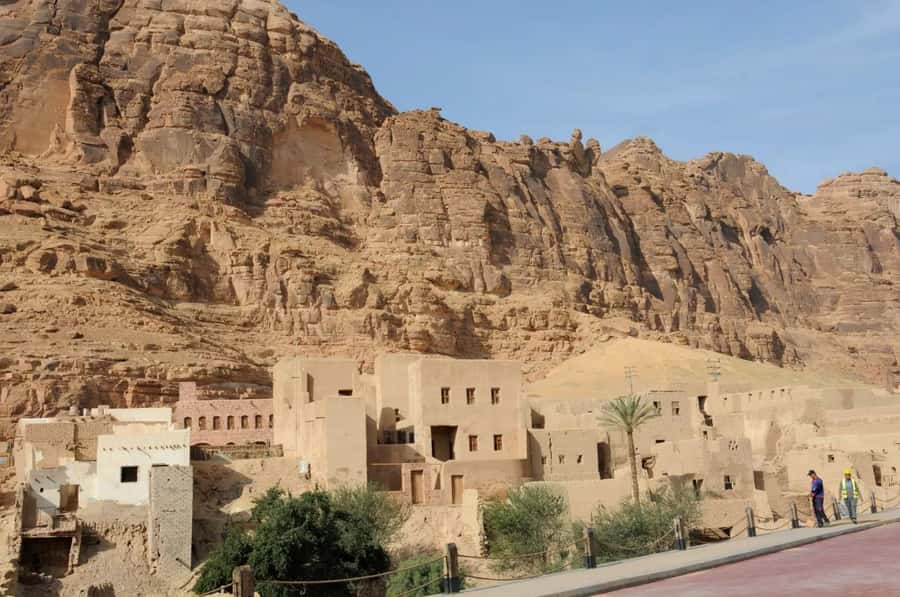
- Nearly 1,000 mudbrick homes: Walk through the remains of an old settlement built from adobe, with its maze of lanes and traditional structures.
- Access to restricted areas: The price includes entry to parts of Old Town normally closed to the public, including the top of AlUla Fort.
- Old Market Street atmosphere: The route includes a historic market area with shops, sights, sounds, and local specialties.
- Short walking experience: The advertised time is one hour, but some recent visits lasted about 30 to 40 minutes.
- Arabic and English guides: You can take the tour with a live guide in either language.
- Free parking nearby: Parking is available at Old Town South Parking, a useful perk if you are driving.
Why AlUla Old Town is worth seeing
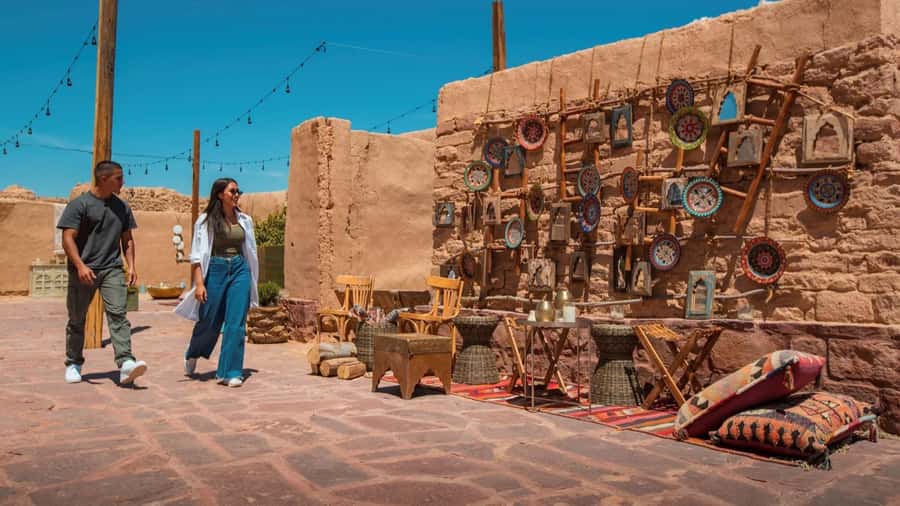
AlUla Old Town gives you a look at the area’s more recent past, not only its famous ancient monuments. The surviving adobe buildings form a compact maze, where homes, lanes, market spaces, and defensive points once worked together as a living settlement.
That human scale is the appeal. At major archaeological sites, you often look at monumental tombs or carved stone. Here, you look at the places where people lived, traded, prayed, and passed through. The remains are less grand at first glance, but they help you picture daily life in AlUla.
The settlement is made from mudbrick and adobe, materials suited to the local climate and available from the surrounding area. The tour presents Old Town as a community of around 900 mudbrick houses. That number is useful because it gives the site scale, but it should not be the only historical detail you take away. The quality of the visit depends heavily on how well your guide explains the people, building methods, and movement through the town.
I especially like the focus on settlers and pilgrims. It helps you understand Old Town as a place shaped by movement, not simply as a group of abandoned buildings. Your guide is meant to explain why people came here, how they organized the town, and how the settlement continued to function over time.
More Heritage Walks in AlUla:
- Visiting The Incredible Heritage Site Hegra in AlUla
★ 4.6 · 93 reviews - Al-Ula: Old Town, Hegra, and Elephant Rock Day Tour
★ 4.9 · 14 reviews - Visiting the Incredible Heritage Site Hegra in AlUla.
★ 5.0 · 11 reviews
Starting at the Old Town Visitors Center
The tour begins at the Old Town Visitors Center, listed in both English and Arabic as مركز الزوّار في البلدة القديمة. This gives you a clear meeting point rather than requiring you to search for a guide among the ruins.
If you are driving, free parking is available at Old Town South Parking. The supplied information does not state how far the parking area is from the meeting point, so allow enough time to park and reach the center without rushing. A few extra minutes are sensible for a timed walking tour.
The meeting point also gives you a chance to get organized before entering the historic area. Bring water and wear shoes suited to walking on uneven ground. The route is short, but Old Town is made up of lanes and adobe structures rather than a smooth indoor museum floor.
The experience is guided in Arabic or English. Since historical detail is one of the main reasons to pay for this walk, choose the language in which you can comfortably follow questions and explanations.
Walking the maze of AlUla’s mudbrick lanes
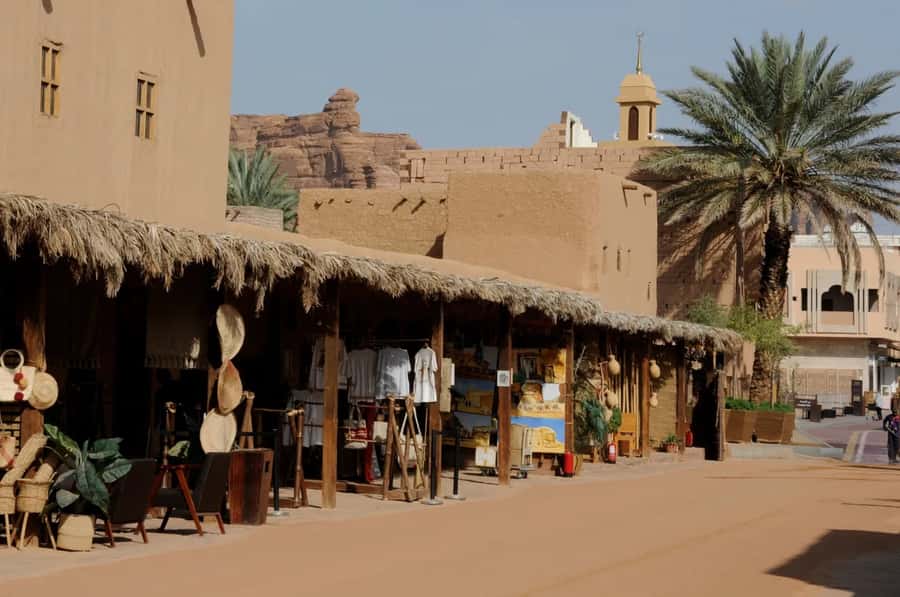
From the visitors center, you enter AlUla Old Town on foot. The strongest part of the experience is the change in scale. Instead of looking at the settlement from a distance, you move through its narrow passages and see how tightly the buildings were arranged.
The maze-like layout is part of the experience, not a minor detail. It gives you a sense of how the town protected privacy and controlled movement. It also makes a guide useful. Without context, adobe walls can blur together. With a good explanation, a lane becomes part of a larger story about homes, commerce, community life, and travel.
Your guide should point out notable sites along the way and explain how the town developed. The available information does not name individual guides, so I cannot promise a particular person. Still, the feedback points to friendly guides as one of the better features of the activity, and one highly rated visit praised the local heritage insights.
This is a place where it pays to look closely. Notice the repeated use of mudbrick, the shape of the alleys, and the way the remaining buildings create a connected settlement. You are not simply checking off a ruin. You are trying to read the town’s original plan.
Old Market Street and the town’s working life
The route includes Old Market Street, where you can take in the historic market atmosphere and the range of sights, sounds, and specialties associated with the area. The supplied details do not promise a specific shopping program, so treat this as part of the walk rather than a dedicated retail stop.
The market street matters because it adds activity to the old settlement. It helps connect the surviving buildings with the reasons the town existed in the first place. People came to buy, sell, pass through, worship, and settle. A guide who explains those links can turn a brief walk into a more useful picture of AlUla’s past.
The word atmosphere is important here. Old Town is not presented as a silent field of ruins. It is a restored and continuing visitor area, with historic lanes and places to stop. You may find the market section more visually engaging than the plain adobe walls, especially if you enjoy seeing how old districts are adapted for modern tourism.
Still, do not expect a full market tour based on the information provided. Personal expenses are not included, so anything you buy is extra. The tour fee covers the guided experience and access, not purchases or other personal costs.
A different idea for your next free day:
- Hegra Al Ula: Sunrise Hot Air Balloon Flight
★ 4.6 · 43 reviews - Al Ula: Dadan and Jabal Ikmah Tombs Guided Tour
★ 4.2 · 26 reviews - AlUla: Discover AlUla Like a Local Guided Tour
★ 5.0 · 25 reviews - From AlUla: Hegra Tour
★ 3.9 · 25 reviews
Reaching AlUla Fort and the restricted areas
One of the clearest benefits of this activity is access to parts of Old Town that are restricted to the public. The inclusion specifically covers the top of AlUla Fort, a defensive structure dating back to the 10th century.
That access can make the $49 price easier to justify. You are not only walking through the publicly visible lanes. You also get a guided look at a place that you may not be able to enter on your own. From the fort, you can take in views over the old settlement and better understand its position within the town.
The fort is also where the town’s defensive purpose becomes easier to grasp. Adobe homes tell you about domestic life. A high fort tells you about protection, oversight, and the need to watch movement through the area. Your guide’s explanation is especially valuable here because the structure’s importance is not always obvious from its walls alone.
The details do not promise a long stop at the fort or specify exactly how much time you spend at the top. If this access is your main reason for booking, ask at the visitors center how much of the advertised time is devoted to the fort and restricted sections.
How much history will you actually get?
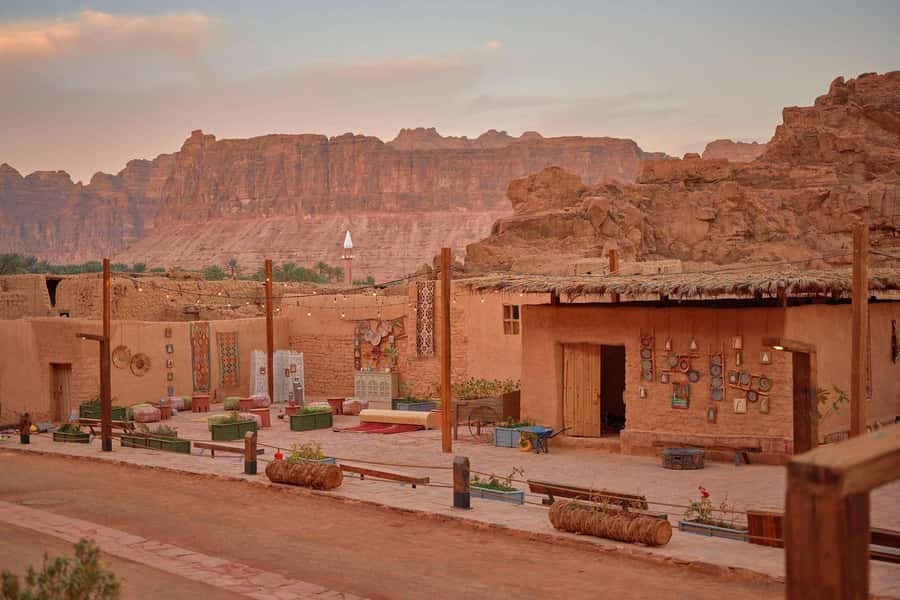
This is the key question. The tour promises stories about settlers, pilgrims, construction, and the old town’s development. When those explanations are delivered well, the experience can be genuinely interesting. A visit in early January received high praise for its insights into local heritage, and another guide was specifically praised for being very nice.
The weaker side is uneven depth. One recent visit described the tour as short and not very informative, with the main fact remembered being the total of 900 mudbrick houses. Another visit was rated positively but lasted about 40 minutes. A separate French-language review also described a very short visit, around 30 minutes, while noting that the explanations were good.
That pattern gives you a practical warning. The guide may be pleasant and the setting may be worthwhile, but the amount of information can vary. If you are hoping for detailed historical interpretation, prepare a few questions before you arrive. Ask about the pilgrims who passed through, how the adobe homes were built, why the alleys were arranged as they were, and the role of AlUla Fort.
I would also manage your expectations about duration. The activity is described as one hour, but the walking itinerary says 1.5 hours, while recent feedback reports much shorter visits. The safest assumption is that this is a brief introduction, not a guaranteed 90-minute lecture and walk.
Is $49 a fair price?
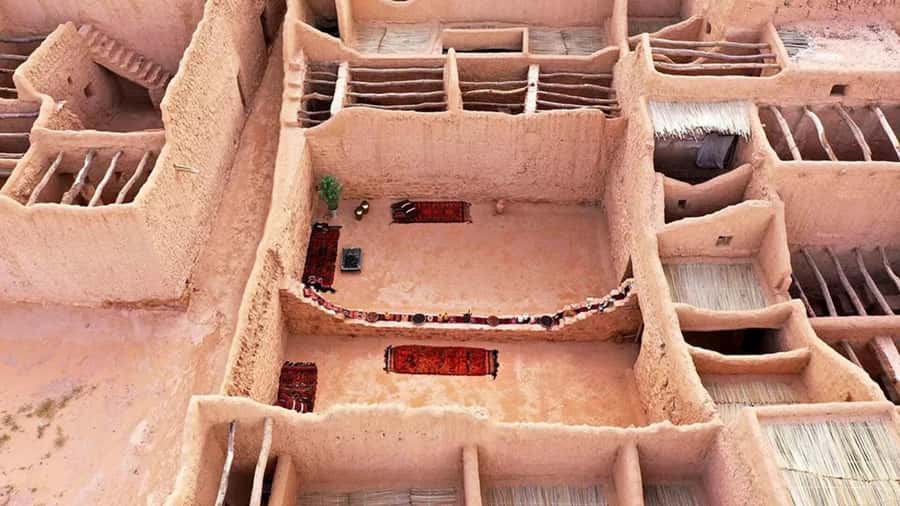
At $49 per person, the price is reasonable only if you value the restricted access and receive a solid guided explanation. The fort entry and access to closed sections are meaningful extras, and free parking keeps your additional costs down.
The value becomes weaker if the walk ends after 30 or 40 minutes. One recent booking judged the cost unreasonable even though the guide and content were not bad. Another comparison described a different tour at the same price that lasted 90 minutes and offered much more history and information.
I would compare this tour with any longer AlUla history experience available during your visit. If another option offers 90 minutes of interpretation for the same cost, this short Old Town walk needs to justify itself through fort access, route quality, or a particularly strong guide.
The price may make more sense if you are already visiting AlUla Old Town and want a structured introduction. It is less attractive if you are traveling on a tight budget or if this will be your only paid history activity in the area.
Who will enjoy this Old Town walk?
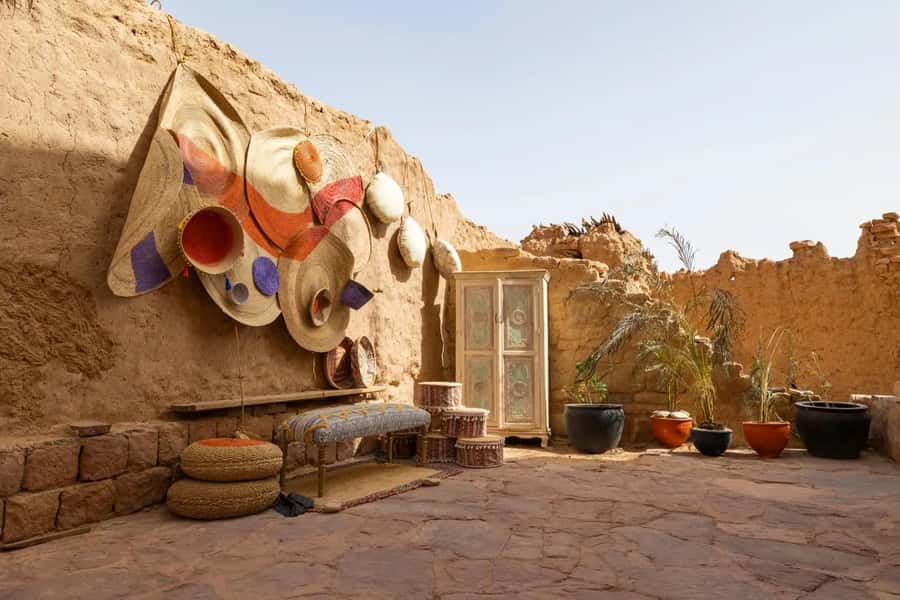
I would recommend the experience most strongly to you if you want a short, guided orientation before exploring AlUla independently. The route offers enough setting and context to help you notice the town’s layout instead of simply wandering past old walls.
It also suits anyone interested in traditional building methods, local settlement patterns, and the role of pilgrims and markets. The fort access adds a point of interest for history fans and photographers who want a higher view over the old town.
Families and mixed-age groups may appreciate the short format, especially if a longer walking tour would feel tiring. The walk also works well for people with limited time, provided you confirm the starting schedule and understand that the actual visit may be shorter than the stated duration.
I would hesitate to recommend it as your main AlUla history experience. If you want a detailed chronology, extensive storytelling, or a full 90-minute guided walk, the time and price may disappoint you.
Practical planning for the best visit
Start at the Old Town Visitors Center and arrive with enough time to find the guide. Free parking at Old Town South Parking is available, but the information does not state how long the walk from parking to the center takes.
Wear comfortable walking shoes and carry water. The route passes through historic lanes and adobe buildings, and the practical details do not describe seating, shade, or indoor stops. Plan for a walk rather than a museum visit.
Use the guide actively. Since the depth of explanation appears to vary, questions can help you get more from the hour. Ask for details about the 900 homes, the fort’s 10th-century date, the market street, and the people who settled or passed through Old Town.
The activity allows free cancellation up to 24 hours before the start time, and you can reserve now and pay later. That flexibility helps if your AlUla schedule is still changing. Check the available start times before booking because the exact schedule is not fixed in the supplied information.
Should you book Tour AlUla’s Old Town?
Book it if you want restricted access to AlUla Fort, a quick look at the adobe lanes, and a friendly guide who can provide a basic introduction in Arabic or English. It is a sensible add-on for a day already centered on Old Town.
Think twice if you expect a long, detailed history tour. The 3.7 rating from 11 reviews reflects a mixed experience, with strong praise for the guide’s friendliness and heritage insights but repeated concerns about short duration and weak value at $49.
My advice is simple: book when the fort access and location fit your plans, but confirm the expected length at the visitors center. If a longer tour with more historical explanation costs the same, choose that instead.
FAQ
Where does the AlUla Old Town tour begin?
The tour begins at the Old Town Visitors Center, مركز الزوّار في البلدة القديمة.
How long does the tour last?
It is advertised as a one-hour activity, while the walking portion is also described as 1.5 hours. Recent visit feedback reported durations of about 30 to 40 minutes, so the actual length may vary.
What languages are available?
The live guide service is available in Arabic and English.
What does the tour include?
It includes guided entry to parts of Old Town restricted to the public, including the top of AlUla Fort.
Is parking available?
Yes. Free parking is available at Old Town South Parking.
Is the AlUla Fort included?
Yes. Access to the top of AlUla Fort is included in the activity.
Can I cancel for a refund?
Yes. You can cancel up to 24 hours in advance for a full refund.
Just added around AlUla
- Coffee and Tea Party in Aljadidah★ 3.5 · 3 reviews
- Al-Ula: Guided Horse Riding★ 5.0 · 3 reviews
- Al-Ula: Dadan & Jabal Ikmah Tour with Optional Pickup★ 3.8 · 4 reviews
- AlUla: Sharaan Nature Reserve★ 5.0 · 4 reviews
- Journey Through Time Hike★ 4.0 · 5 reviews
- Oasis Adventure in Alula★ 4.2 · 6 reviews
- AlUla Old Town Experience★ 5.0 · 6 reviews
- Elephant Rock Tour in AlUla★ 3.5 · 7 reviews
Historic Old Town & Heritage Walks, compared.
Visiting The Incredible Heritage Site Hegra in AlUla
Read our review →
Historic District Tour in Jeddah by a Local Guide
Read our review →
Historical & Heritage Tour in Abha- Rijal Almaa Village
Read our review →
Private Tour in Historical Jeddah (ALBALAD) إكتشف جدة التاريخيه
Read our review →
Browse the lists this tour appears in