
Reviewed · HISTORIC OLD TOWN & HERITAGE WALKS
Riyadh : Diriyah Historic
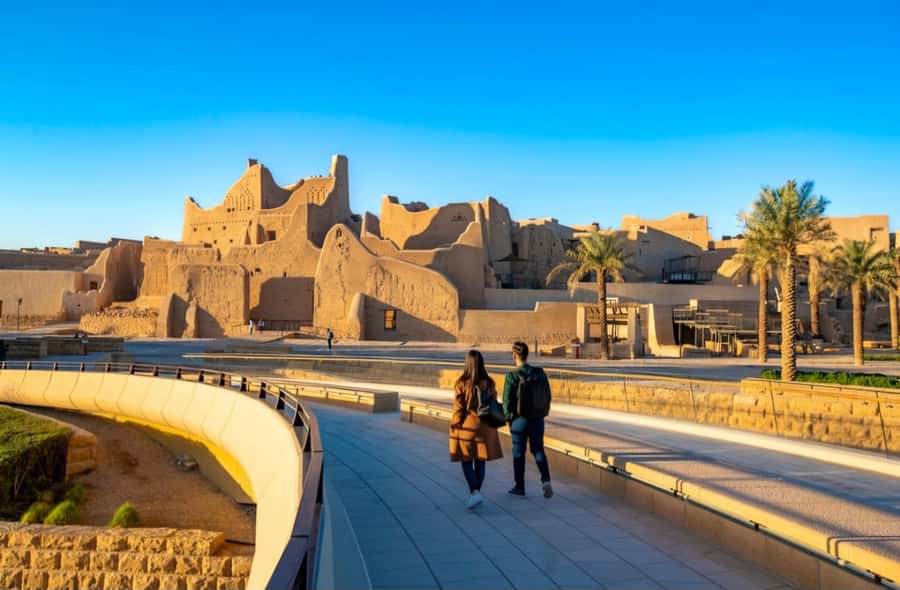
Saudi Arabia began here. This small-group outing from Riyadh brings you to Diriyah, the first Saudi State’s former capital, with time for At-Turaif, Bujairi Terrace, and local traditions. I like the mix of serious history and relaxed hospitality, especially the chance to finish with Saudi coffee, dates, and local food. I also like the six-person limit, which gives guides such as Mohammed and Sarah room to explain rather than simply point.
The main consideration is timing. The full experience lasts 210 minutes, but the published sightseeing portion lists 1.5 hours in Riyadh, so some of your time will be used for transport and coordination. At $195 per person, this is not a bargain outing, but pickup, a local guide, water, and a small group make it easier to justify for a first visit to Riyadh.
In This Review
- Key points to know before booking
- Why Diriyah matters to Saudi history
- The ride from Riyadh and the small-group advantage
- At-Turaif, the mudbrick capital
- Bujairi Terrace and the softer side of Diriyah
- Hanifa Valley and the setting of the city
- Bab Samhan and the Najdi welcome
- What the guides add to the visit
- Is $195 a fair price?
- Practical advice for a comfortable visit
- Who should book this Diriyah tour?
- Should you book it?
- FAQ
- Where does the Diriyah tour take place?
- How long does the experience last?
- Is pickup from Riyadh included?
- What languages does the guide speak?
- How large is the group?
- What is included in the price?
- Is food included?
- What should I wear and bring?
- Can I cancel the booking?
Key points to know before booking
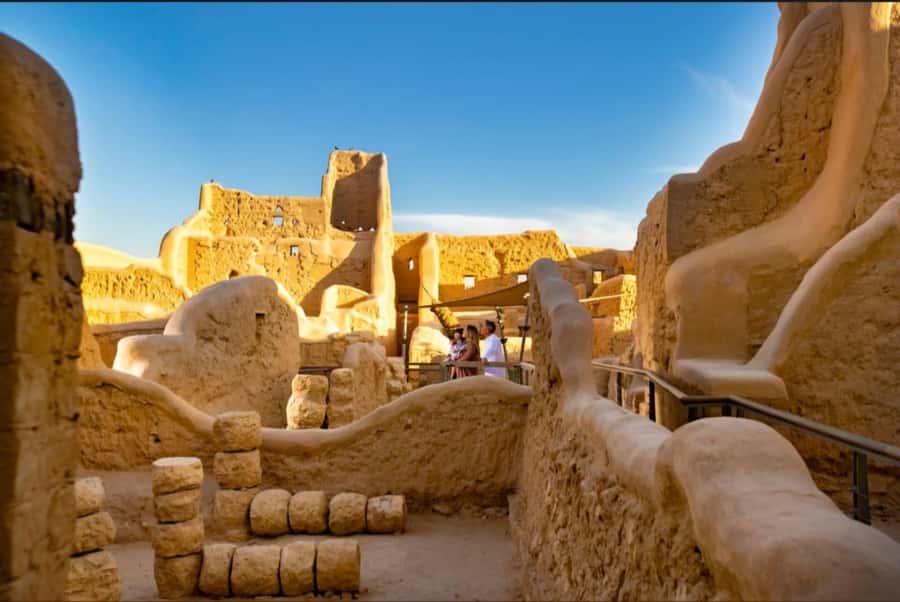
- At-Turaif is the historical heart of the visit: This UNESCO World Heritage Site preserves the mudbrick capital of the first Saudi State.
- Diriyah connects history with present-day culture: Bujairi Terrace adds dining, local food, coffee, dates, and attractive views to the older ruins.
- The group is limited to six people: That matters when you want to ask about religion, architecture, customs, and Saudi history.
- Mohammed and Sarah receive especially warm praise: Their explanations cover history, culture, religion, artifacts, and local traditions.
- The outing is designed for walking: Bring comfortable shoes, modest clothing, sun protection, and a charged phone.
- Hanifa Valley gives the setting its sense of place: Diriyah developed beside Wadi Hanifah, a natural feature that helped shape the city.
Why Diriyah matters to Saudi history
Diriyah sits northwest of Riyadh on the banks of Wadi Hanifah. The city was established in 1446 AD, and its importance grew from its location beside the valley and its role in the formation of the Saudi state.
The key point for you is that Diriyah is not simply an old neighborhood preserved for tourists. At-Turaif was the capital of the Emirate of Diriyah, also known as the first Saudi State. Its mudbrick buildings, defensive character, and urban layout give you a physical link to the kingdom’s early political story.
That context makes the visit more rewarding than a quick photo stop. You can look at a wall or doorway and understand that it formed part of a working capital, not a decorative historic set. A local guide can also explain the displays and artifacts in a way that signs alone may not.
I would plan this outing early in a Riyadh visit. It gives you a useful framework for understanding Saudi Arabia before you spend time in modern districts, shopping areas, or newer cultural sites.
More Historical Tours in Riyadh
- Red Sand Adventure 4×4 (Camel Ride ,Quad Biking, Heritage House)
★ 5.0 · 135 reviews - Red Sand Adventure Riyadh (Quad Biking,Camel Ride,Heritage)
★ 4.6 · 19 reviews - Red Sand Dunes Tour with Camel Ride ,Quad Biking, Heritage House
★ 4.0 · 16 reviews
The ride from Riyadh and the small-group advantage
Pickup and drop-off in Riyadh are included when arranged in advance. That removes one practical headache, especially if you are still learning the city or would rather not organize separate transport to Diriyah.
The group limit is six participants. For this kind of historical visit, that is a real benefit. You can ask why the mudbrick buildings were designed as they were, how the first Saudi State developed, or what a particular artifact represents without trying to catch a guide’s attention in a large crowd.
The guides speak Arabic and English. Mohammed is praised for his clear explanations and kind manner, while Sarah is noted for making people feel welcome and for discussing culture, religion, and history with care. Those details matter in Saudi Arabia, where a good guide can help you understand local customs without making the visit feel like a lecture.
The total duration is 210 minutes. The schedule also lists a 1.5-hour visit in Riyadh, so I would treat the remaining time as covering pickup, the journey, movement between parts of Diriyah, and the return. Exact starting times depend on availability, so check the schedule before you commit to another activity later that day.
At-Turaif, the mudbrick capital
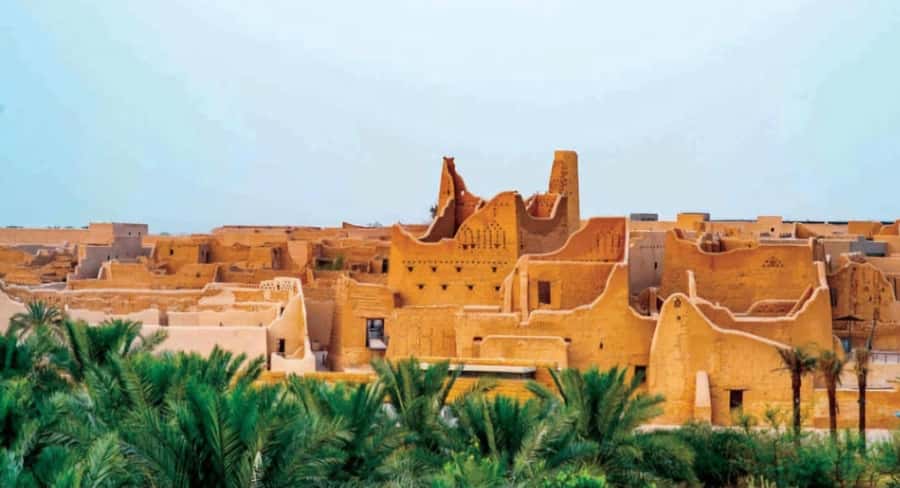
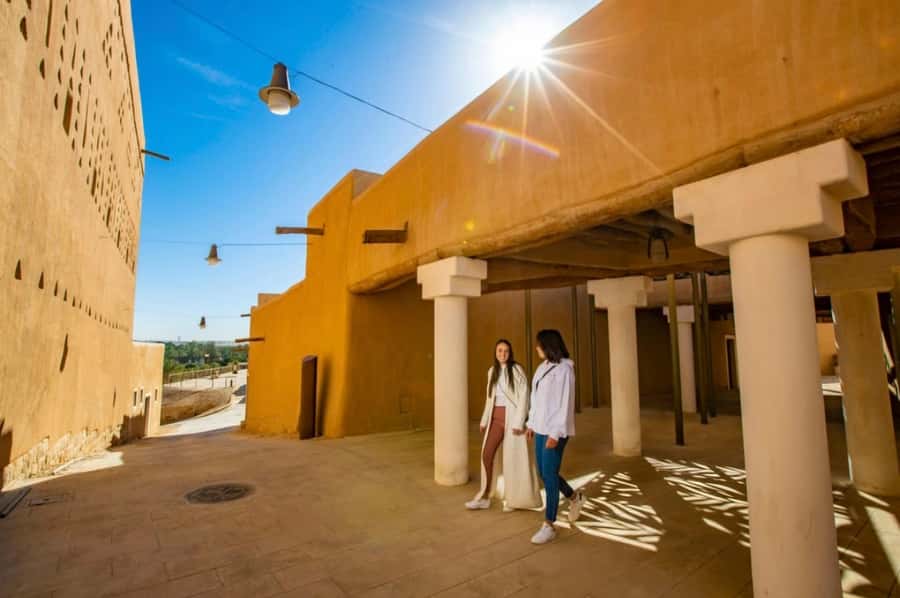
At-Turaif is the main reason to book this experience. UNESCO recognized the district as a World Heritage Site in 2010, and its mudbrick architecture gives Diriyah a strong visual identity.
The buildings are made from earth-colored materials that suit the dry setting. Instead of polished stone or grand European facades, you see thick walls, simple forms, and traditional Najdi design. The effect is modest but powerful. Diriyah’s importance comes from its role and setting, not from monumental decoration.
Your guide is especially useful here. The experience includes explanations of historical landmarks, displays, and artifacts, and William from the United States specifically appreciated the information about objects shown in At-Turaif. That suggests you should not rush through the exhibits. Look closely, then ask what you are seeing and how it fits into the story of the first Saudi State.
The district also rewards patience. Some historic places make sense after one sweeping view. At-Turaif works better as a series of details: mudbrick construction, narrow passages, old structures, and views toward the valley. Wear shoes that can handle sustained walking, and expect the heat to affect your pace during warmer months.
Modest dress is important, particularly if the visit includes religious or culturally sensitive settings. Respectful clothing is not just a rule to tick off. It helps you move through the site with the right attitude and avoids distracting from the history.
Bujairi Terrace and the softer side of Diriyah
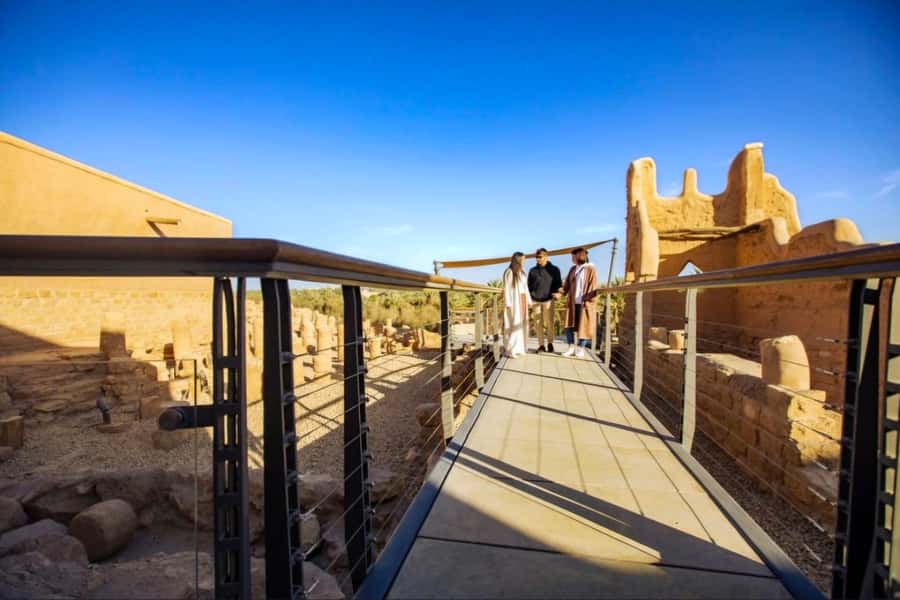
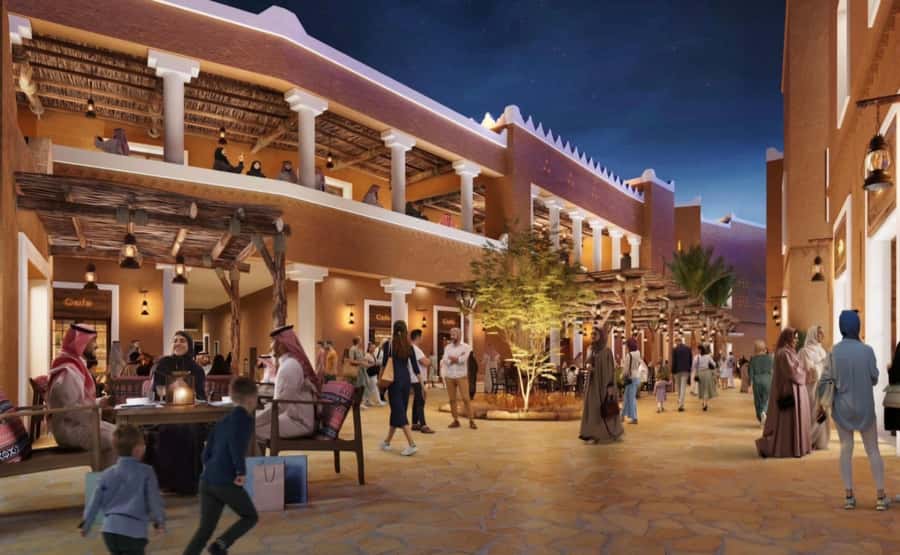
Bujairi Terrace gives the outing a change of rhythm. At-Turaif is about the origins of the Saudi state; Bujairi is about present-day culture, food, and leisure in a heritage setting.
This is where you may get time to sit, enjoy the view, and try Saudi coffee with dates. One account also mentions local foods and free time, which is a welcome contrast after walking through historic buildings. Coffee and dates may sound like a small touch, but they turn the visit into a social exchange rather than a succession of facts.
Bujairi Terrace is described as a place for culture, distinctive dining, and heritage. Your tour may not include a full meal, so do not assume the $195 price covers restaurant dining unless your booking details say so. Still, the area gives you a chance to see how Diriyah is being presented as both a historic center and a current cultural destination.
The drawback is that Bujairi Terrace has a more polished, visitor-friendly feel than At-Turaif. If you want only untouched ruins and old streets, this part may feel less atmospheric. I see its inclusion as useful, though, because it shows how Saudi Arabia is linking its past with modern public spaces.
More Diriyah tours:
- Diriyah Tour with Traditional Dinner
★ 5.0 · 37 reviews - From Riyadh: Diriyah UNESCO Heritage Tour
★ 3.7 · 11 reviews - Riyadh: Diriyah, AL Masmak Fortress, AL Murabba Palace Tour
★ 5.0 · 6 reviews - Riyadh: Al Diriyah Tour
★ 3.6 · 5 reviews
Hanifa Valley and the setting of the city
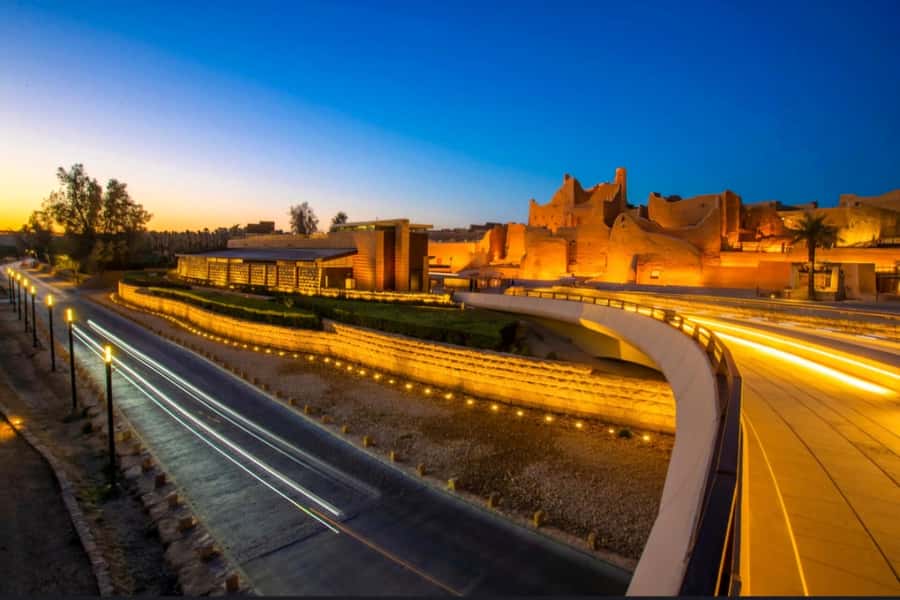
Wadi Hanifah is not just a backdrop. Diriyah developed beside it, and the valley helps explain why this location mattered.
The scenic setting gives you a broader view of the city’s position. After focusing on walls and artifacts, you can look outward and understand the relationship between the settlement and the valley. That change in scale helps the history make sense.
The information provided does not promise a separate hike or a long scenic walk in Hanifa Valley. I would therefore expect views and setting to be part of the Diriyah visit rather than a standalone nature excursion. Bring sunscreen, water, sunglasses, and a wide-brimmed hat, especially if you visit during the hotter part of the year.
A portable battery pack is also smart. Diriyah offers plenty of reasons to use your phone camera, and you do not want to lose power before the final stop or the ride back to Riyadh.
Bab Samhan and the Najdi welcome
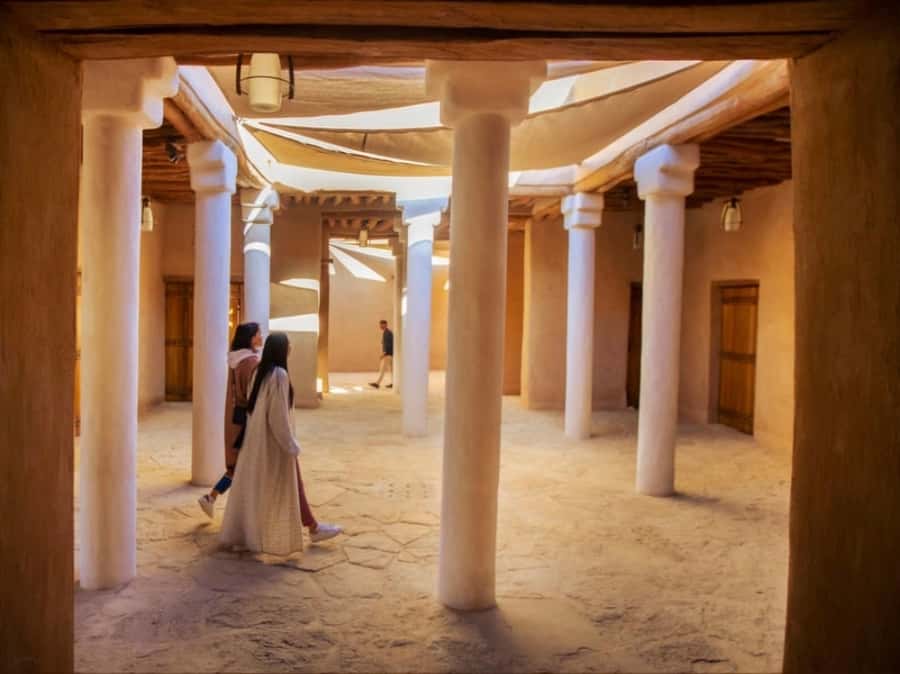
Bab Samhan Hotel is highlighted as an authentic Najdi experience. The available details do not specify a separate hotel tour, overnight stay, or meal there, so I would view it as part of the cultural setting associated with Diriyah rather than assume a particular hotel service is included.
The broader point is important. This outing is not only about looking at buildings from a distance. Its strongest moments may come through small gestures: Saudi coffee, dates, local food, and a guide willing to explain how people live, greet one another, and understand their heritage.
That personal element is where Mohammed and Sarah seem to add the most value. Their role is not limited to reciting dates. They can help you ask sensible questions about religion, culture, and daily customs. For a first introduction to Saudi Arabia, that is often more useful than another hour of unexplained sightseeing.
What the guides add to the visit
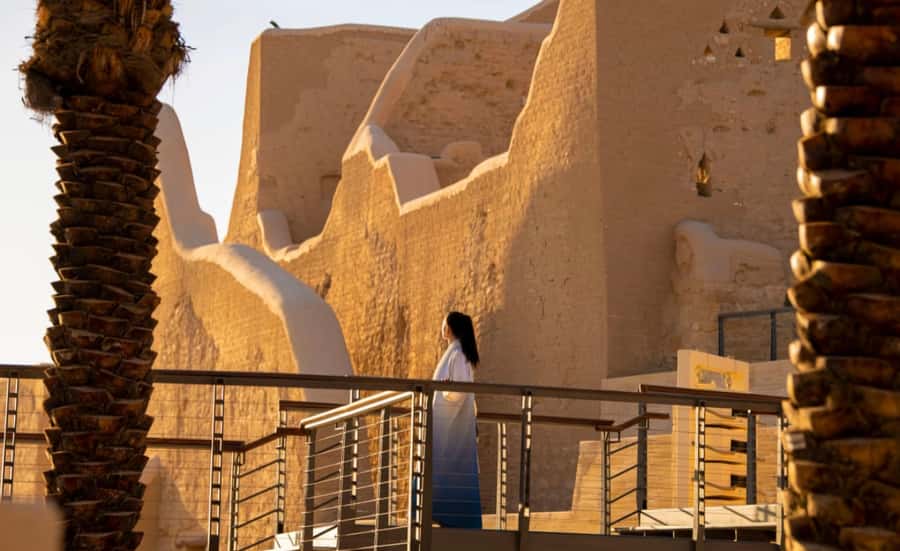
The guide is the most important variable in a short cultural tour. You have limited time, and a good explanation can connect At-Turaif’s walls, the first Saudi State, and modern Diriyah in one clear story.
Mohammed is praised for being pleasant, kind, professional, and well prepared. His explanations cover the history of Al Diriyah and the artifacts on display. Sarah receives similar praise for her warmth, communication, and ability to discuss culture and religion in an approachable way.
You may be guided by Mohammed, Sarah, or both. The published language options are Arabic and English. If you have a special interest in architecture, Saudi state formation, food, or religious customs, tell your guide early. A small group makes that kind of conversation possible.
The tone also seems to be one of hospitality. A visitor from Malta especially appreciated feeling welcome and having time to relax with coffee and dates. That is worth noting if you are nervous about visiting a place with customs unfamiliar to you. You should still be respectful, but you do not need to treat the visit as stiff or formal.
Is $195 a fair price?
At $195 per person, this is a premium half-day outing. The visit itself is only listed as 1.5 hours in the schedule, while the total experience is 210 minutes, so price-sensitive visitors should examine the exact timing and inclusions before booking.
The value improves if you want convenience. You receive arranged pickup and drop-off, a local Arabic or English-speaking guide, a small group capped at six, and water. You also avoid having to connect Riyadh with Diriyah on your own.
The price is easier to defend for a first-time visitor who wants context, not just access. At-Turaif can be visually impressive, but without explanation you may leave knowing little about why the district matters. The guide turns the buildings and artifacts into a readable story.
The price is harder to justify if you mainly want photographs, already know Saudi history, or can arrange your own transport and visit with plenty of time. In that case, you may prefer a slower independent visit, if available through your wider Riyadh plans.
For me, the strongest value comes from the human side: small group attention, cultural explanation, and the final coffee and dates. I would book it for an introductory visit, particularly if my Riyadh schedule were tight.
Practical advice for a comfortable visit
Diriyah can be hot during the day and cooler at night. Check the forecast and dress in layers if your visit crosses the cooler evening hours.
Wear comfortable walking shoes. This is not a sit-down city tour, and you will spend time on your feet around historic areas. Bring sunscreen, sunglasses, and a hat, then keep water with you even though water is provided.
Dress modestly and respectfully. That is especially important near religious sites and culturally sensitive places. Follow local customs when greeting people and interacting with your guide or other participants.
Alcohol and drugs are not allowed. Babies under one year and people over 95 are listed as unsuitable for this activity, so families should check those restrictions before booking.
Cancellation is flexible up to 24 hours before the start for a full refund, and you can reserve now and pay later. Those terms are useful if your Riyadh schedule may shift, though you should still confirm the pickup arrangement before the day of the tour.
Who should book this Diriyah tour?
I would recommend it to first-time visitors to Riyadh who want a clear introduction to Saudi history without arranging every detail themselves. It also suits anyone who values conversation, local food touches, and a guide who can explain culture as well as monuments.
It is a good fit for couples, solo visitors, and small family groups who prefer a personal setting. The six-person maximum is especially appealing if you want to ask questions or need explanations in English.
I would hesitate if you dislike walking, want a full-day historical program, or expect a long independent exploration of every part of Diriyah. The schedule is compact, and the listed sightseeing time is limited. You will get an introduction, not an exhaustive study of the city.
Should you book it?
Book this experience if you want At-Turaif explained properly, convenient Riyadh pickup, and a friendly introduction to Saudi culture in a small group. Mohammed and Sarah appear to bring warmth and clear historical context, and the coffee, dates, and local food add a welcome personal touch.
Skip it if $195 feels too high for a 210-minute outing or if you prefer to explore at your own pace. For most first visits, though, Diriyah is too important to see as a quick photo stop. This tour gives you the basic story, the main historic district, a taste of modern cultural Diriyah, and a guide to help it all make sense.
FAQ
Where does the Diriyah tour take place?
The experience takes place in Diriyah, in Riyadh Province, northwest of Riyadh. The visit includes At-Turaif, Bujairi Terrace, and the setting around Wadi Hanifah.
How long does the experience last?
The total duration is 210 minutes. The schedule lists a 1.5-hour visit in Riyadh, with the remaining time covering the broader outing and return to Riyadh.
Is pickup from Riyadh included?
Complimentary pickup and drop-off are included upon arrangement. Confirm the pickup details when booking.
What languages does the guide speak?
Live guiding is available in Arabic and English.
How large is the group?
The experience is limited to six participants.
What is included in the price?
The price includes a guided tour with a local expert guide, arranged pickup and drop-off, and water.
Is food included?
Coffee, dates, and local foods may be part of the cultural time in Bujairi, but a full restaurant meal is not specified as included.
What should I wear and bring?
Wear modest, respectful, comfortable clothing and walking shoes. Bring sunscreen, sunglasses, a wide-brimmed hat, water, and a mobile battery pack.
Can I cancel the booking?
You can cancel up to 24 hours in advance for a full refund. The activity also offers a reserve now and pay later option.
More Historical Tours
- Historical Riyadh Self-Guided Audio Walking Tour
★ 3.5 · 11 reviews - Half Day Tour Discovering the History of Riyadh
★ 5.0 · 6 reviews - Riyadh: Historical City Full-Day Guided Tour with Transport
★ 4.0 · 4 reviews - Madinah Culture & History Tour – Led by Local Guide
★ 5.0 · 74 reviews
More Heritage Walks
- Ushaiqer Heritage Tour from Riyadh with Dinner
★ 5.0 · 7 reviews - Visiting The Incredible Heritage Site Hegra in AlUla
★ 4.6 · 93 reviews - Historical & Heritage Tour in Jeddah Al Balad
★ 5.0 · 57 reviews - Historic District Tour in Jeddah by a Local Guide
★ 5.0 · 49 reviews
Just added around Riyadh
- Edge of the World Tour★ 5.0 · 3 reviews
- Riyadh: Full Day City Tour Guided with Transport★ 4.8 · 3 reviews
- Riyadh: Dining Experience at The Globe Restaurant★ 3.7 · 3 reviews
- Riyadh: King Fahad National Library Guided Tour★ 4.5 · 3 reviews
- Architectural Wonders of KAFD, An Iconic Destination★ 5.0 · 3 reviews
- Explore Edge of The World in a Private Trip with Saudi Dinner★ 5.0 · 3 reviews
- From Riyadh: Desert ATV Quad Bike Tour with Camel Ride★ 3.7 · 3 reviews
- Riyadh: Edge Of The World Tour★ 5.0 · 4 reviews
Historic Old Town & Heritage Walks, compared.
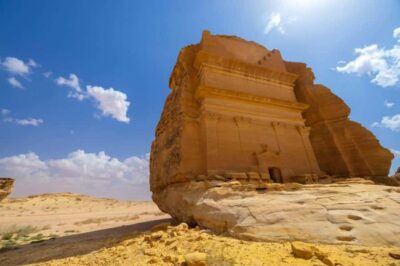
Visiting The Incredible Heritage Site Hegra in AlUla
Read our review →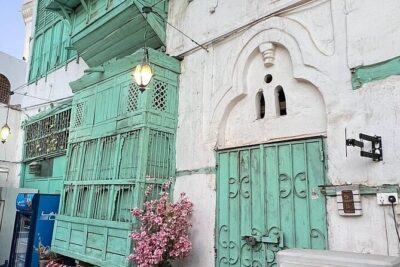
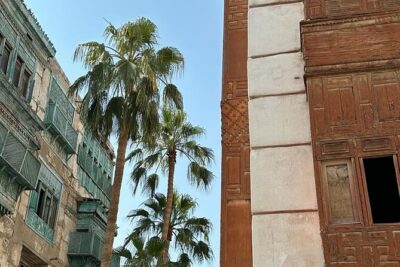
Historic District Tour in Jeddah by a Local Guide
Read our review →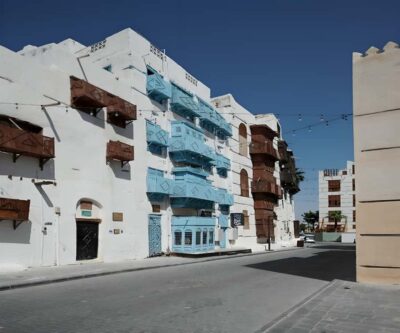
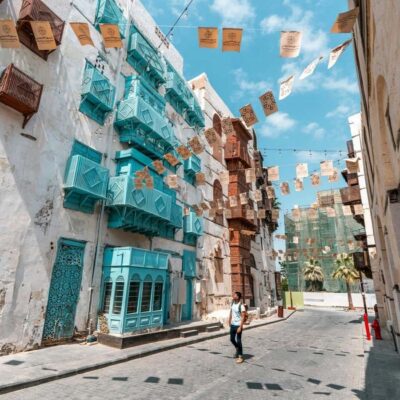
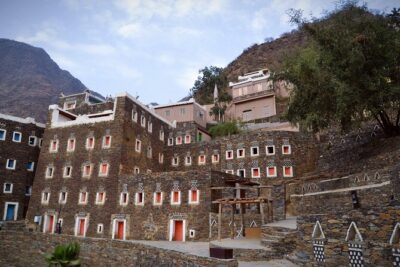
Historical & Heritage Tour in Abha- Rijal Almaa Village
Read our review →
Private Tour in Historical Jeddah (ALBALAD) إكتشف جدة التاريخيه
Read our review →
Browse the lists this tour appears in