
Reviewed · MAKKAH & MECCA TOURS
Makkah: Jabal Al-Nour, Cave Hira, and Mount Arafat Tour
Sacred places tell powerful stories. This private Makkah tour connects Jabal Al-Nour, Jabal Thawr, Arafat, Muzdalifah, and Mina with the wider story of Islamic worship and early Muslim history. I like the blend of outdoor landmarks and indoor culture, especially the chance to visit the Makkah Museum or Hira Cultural Museum. I also like that hotel pickup, transport, refreshments, and an English-Arabic guide are included. The main consideration is timing: it is advertised as four hours, but some outings have lasted five or six hours, and the exact stops may change with traffic and prayer times.
Guide Mohammed Alharbi receives especially warm praise for his patience, clear explanations, and thoughtful communication. He has used Qur’anic verses, hadith, audio stories, Saudi coffee, dates, and cold treats to make the route more comfortable. Still, this is not a simple sightseeing drive. Some sacred sites involve walking, heat, uneven ground, or steep approaches, so you should consider your fitness before booking.
In This Review
- Key points to know before you go
- Why this Makkah tour is more than a mountain photo stop
- Jabal Al-Nour and Cave Hira: the first revelation
- Jabal Thawr and Cave Thawr: refuge during the migration
- Arafat: the central Hajj stop
- Muzdalifah and Mina: seeing the Hajj route as a whole
- Makkah museums and the story behind the sites
- What Mohammed Alharbi adds to the day
- Is $125 good value for four hours?
- Who should book this experience?
- Should you book it?
- FAQ
- How long is the Makkah exploration tour?
- What places are included on the route?
- Is hotel pickup included?
- Which languages does the guide speak?
- Are meals included?
- Are museum tickets included?
- What should I bring?
- Can people with mobility impairments join?
- Can I cancel or pay later?
Key points to know before you go
- Jabal Al-Nour and Cave Hira: Learn about the place connected with the first revelation to Prophet Muhammad (PBUH).
- Jabal Thawr and Cave Thawr: Hear the story of the Prophet and Abu Bakr (RA) seeking refuge during the migration to Madinah.
- Arafat, Muzdalifah, and Mina: Follow the main geographical stages of the Hajj route in one private outing.
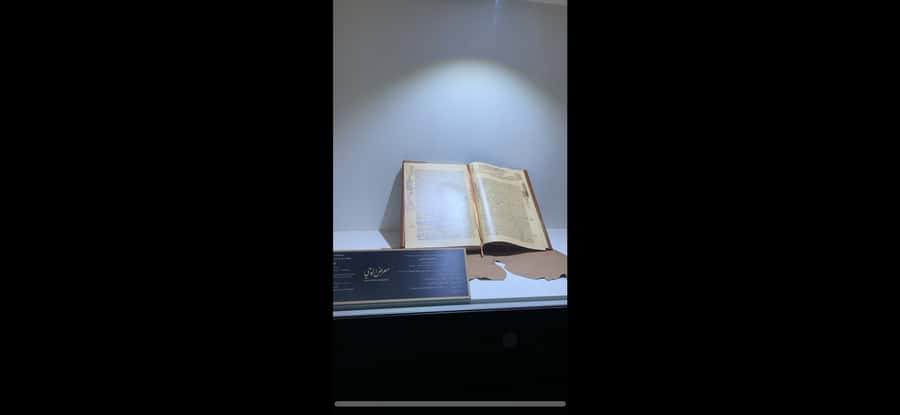
- Museum visits: Add context through Islamic artifacts, Makkah history, and exhibitions linked with the Qur’an and revelation.
- Mohammed Alharbi as guide: Expect strong communication, Arabic and English explanations, and a patient pace.
- Private transport and refreshments: Hotel pickup, drop-off, water, and juice are included, while meals and admission tickets are extra.
Why this Makkah tour is more than a mountain photo stop
Makkah can feel hard to read at first. Its religious importance is immense, but the meaning of each mountain, valley, and pilgrimage site is not always obvious from the roadside. This tour helps you connect the geography with the events that shaped Islamic worship.
You travel in a private group, with pickup from your hotel or an agreed meeting point in Makkah. Traffic around Alharam can affect the pickup location, so keep your phone available and arrive 15 minutes early. The guide may need to adjust the meeting point to keep the vehicle moving smoothly.
The tour is led in English and Arabic. Mohammed Alharbi is the named experience provider, and his strongest qualities are patience, warmth, and clear storytelling. He has been praised for staying in contact before pickup, waiting when needed, and explaining each location without rushing you.
That matters here. A guide who simply points at a mountain would leave much of the experience unexplained. Mohammed has linked locations with Qur’anic verses, hadith, and stories about the people connected with them. If you want a quiet drive with very little commentary, this may feel too guided. If you want context, it is one of the tour’s main strengths.
More Makkah and Mecca tours:
- Makkah Hotel to Jeddah Airport Private Transport
★ 5.0 · 25 reviews - Makkah Hotel to Medina Hotel Private Umrah Cab
★ 5.0 · 24 reviews - Makkah Hotel to Medina Hotel Private Umrah Taxi
★ 5.0 · 22 reviews
Jabal Al-Nour and Cave Hira: the first revelation
Jabal Al-Nour, the Mountain of Light, is one of the most important stops on the route. Cave Hira is associated with the first revelation sent to Prophet Muhammad (PBUH), making the mountain a place of enormous meaning for Muslims.
The tour’s focus is cultural and historical rather than a clearly stated climb into the cave. That distinction is important. The available details do not promise a hike to the cave entrance, and the published itinerary only gives a one-hour guided visit for Mount Arafat. Ask the provider before departure exactly how close the vehicle will go and how much walking is planned at Jabal Al-Nour.
You should wear comfortable shoes, bring sunscreen, and carry a hat for exposed areas. Makkah can be very hot, and even a short stop outside may feel tiring after several other sites. Modest clothing covering the shoulders and knees is required.
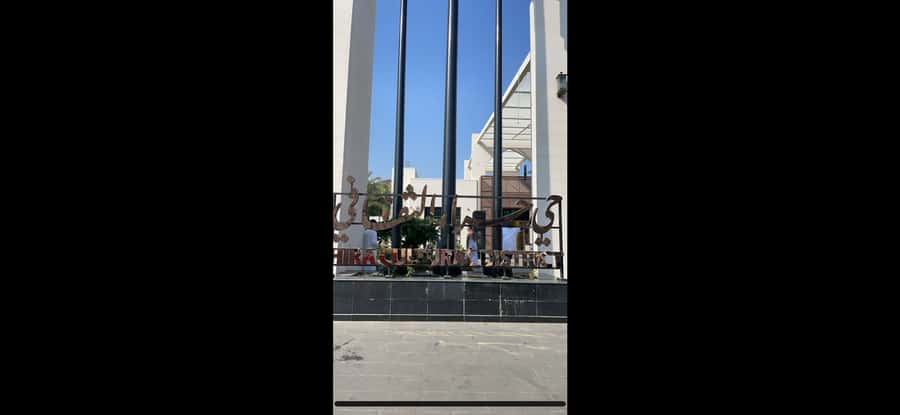
A useful addition may be the Jabal Hira Visitors Center. One outing included Saudi coffee, Sukari dates with tahini sauce, traditional Arabic seating, and access to exhibitions at the Al-Quran and Wahi museums for discounted tickets. These extras are not listed as guaranteed inclusions, so treat them as possible additions rather than part of the standard price.
Jabal Thawr and Cave Thawr: refuge during the migration
Jabal Thawr brings a different story. Cave Thawr is associated with the time Prophet Muhammad (PBUH) and his companion Abu Bakr (RA) hid from their enemies during the migration to Madinah.
This stop gives you a chance to think about the risks faced during that journey, not just the route’s religious importance. A good guide can explain the event in a way that connects the physical setting with the decisions and faith behind it. Mohammed has used recorded background stories through a sound system, which can help families and larger private groups follow the explanation.
Again, confirm the walking plan. The information provided identifies the cave as a place to visit, but it does not promise a climb or specify the distance from the vehicle. People with mobility impairments are advised not to book, even though the activity is also marked wheelchair accessible. Those two notes do not fully agree, so ask the provider about vehicle access, walking surfaces, and assistance before paying.
Arafat: the central Hajj stop
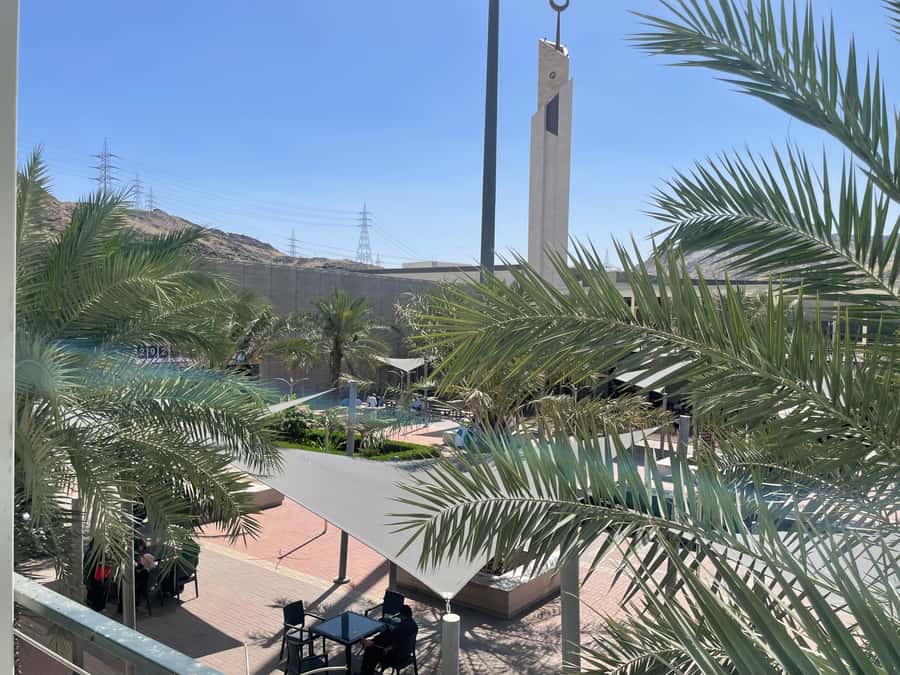
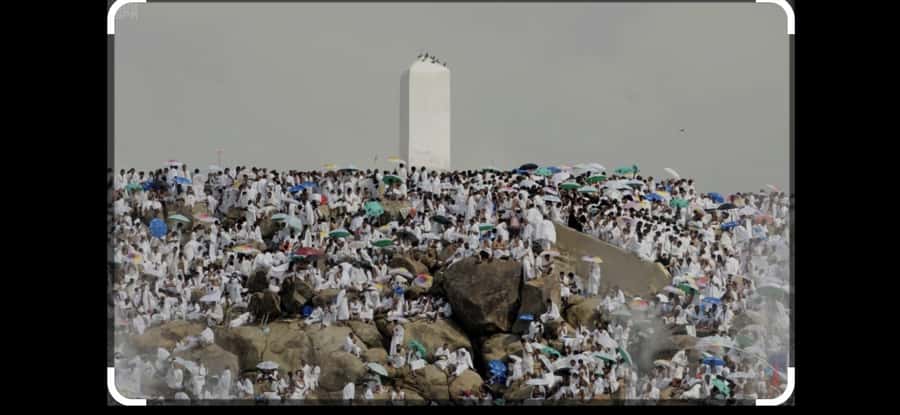
Mount Arafat is the clearest scheduled stop in the published route, with a guided visit of about one hour. For Muslims, Arafat is the key place where pilgrims gather for the essential standing ritual during Hajj.
This is not simply a viewpoint. The value comes from understanding how Arafat fits into the wider pilgrimage. Your guide can explain the purpose of the stop and how it relates to the movement from Makkah through the Hajj sites.
The open setting can be hot and bright, so sunscreen and water are sensible. Water and juice are supplied, but meals are not. If you need food during the outing, plan around the four-hour schedule rather than expecting a meal stop.
Traffic and prayer times may alter the order or length of the visit. That flexibility is normal for a Makkah tour, but it means you should not plan a tight appointment immediately afterward.
A different idea for your next free day:
- Riyadh: Edge Of The World, camels &Stargazing with 4×4
★ 4.7 · 1,050 reviews - Edge of The World Riyadh with Camel Ride ,Bat Cave Visit & Dinner
★ 5.0 · 778 reviews - Riyadh: 4×4 Trip to the Edge of the World at Sunset
★ 4.9 · 719 reviews - Edge Of The World Hike(Dinner under stars,village,bats cave,camp)
★ 4.5 · 675 reviews
Muzdalifah and Mina: seeing the Hajj route as a whole
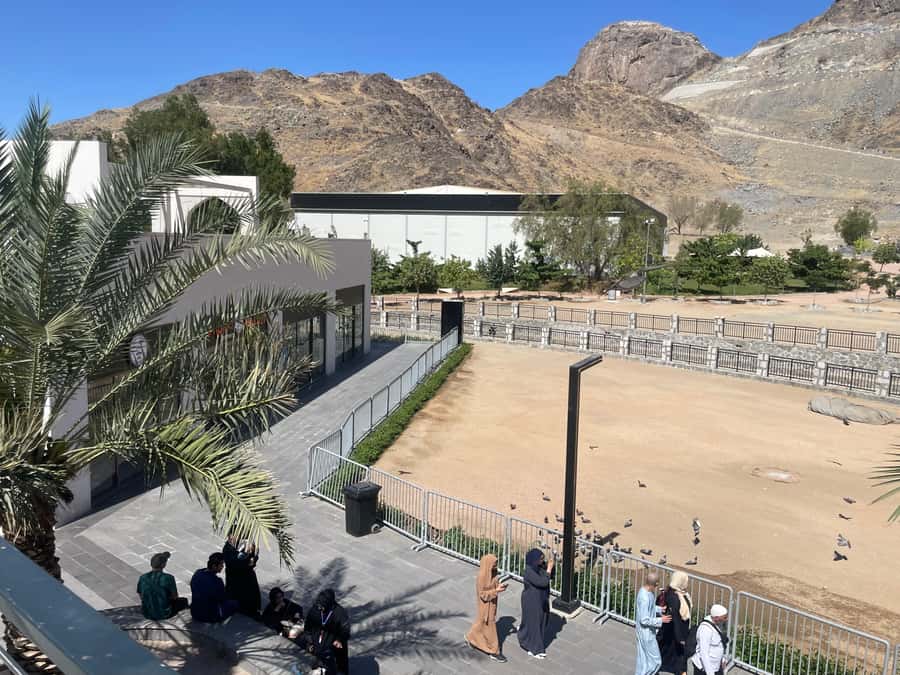
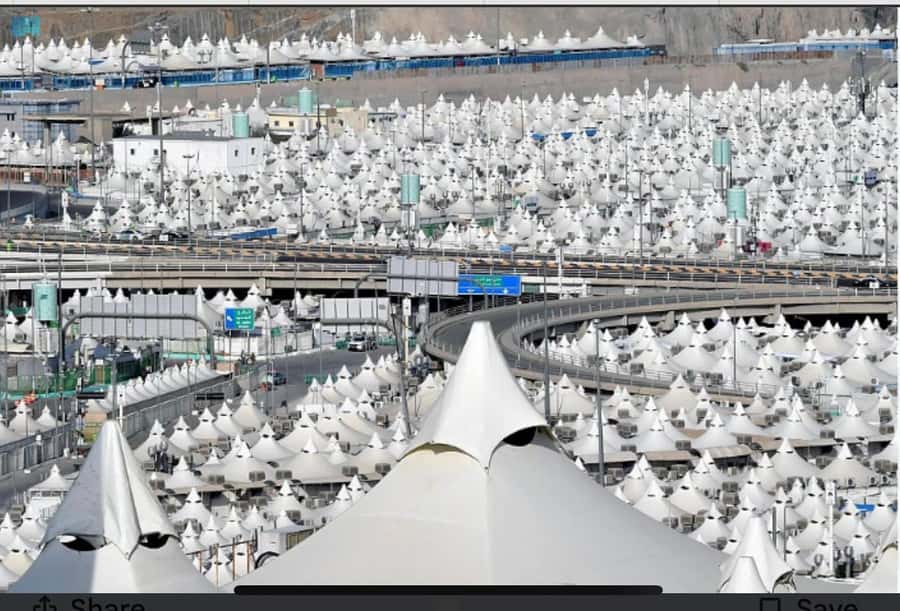
Muzdalifah and Mina help turn the Hajj route into something you can picture. Muzdalifah is the stop after Arafat, where pilgrims rest before continuing to Mina. Mina is linked with the symbolic stoning of the devil, one of the best-known parts of Hajj.
The route is especially useful if you are in Makkah for Umrah or a short religious visit and want to understand the wider pilgrimage without arranging separate transport to each area. Seeing the sites together gives you a better sense of distance, sequence, and movement.
The supplied itinerary lists Mount Arafat as the formal one-hour visit, while the broader tour description includes Muzdalifah and Mina. I would confirm the day’s exact route before departure. Depending on traffic, access, prayer times, and local conditions, some stops may be viewed from the vehicle or receive less time than others.
That is not necessarily a flaw. Four hours is a short window for several major places, and a private guide can make sensible changes. Still, if your priority is spending a long time at every site, this is probably too compressed.
Makkah museums and the story behind the sites
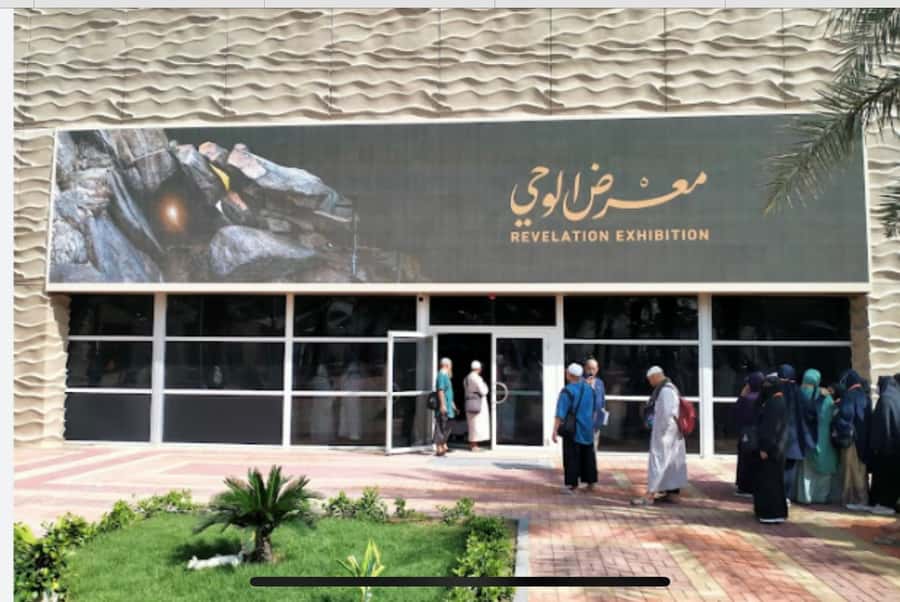
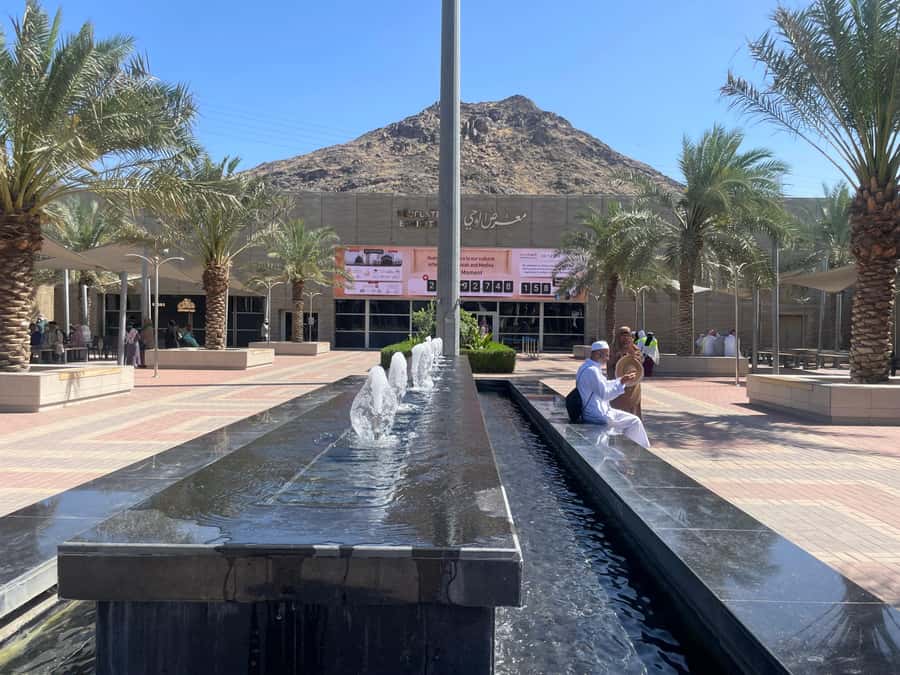
The museum portion gives the tour an indoor counterpoint to the mountains and pilgrimage sites. The Makkah Museum is described as a place to learn about the city’s Islamic heritage and see artifacts connected with its cultural importance.
The Hira Cultural Museum, along with the Al-Quran and Wahi museums, may also be part of the experience or available as optional visits. These names suggest a focus on revelation, the Qur’an, and Makkah’s religious development. Admission tickets are not included, so budget for them separately and confirm which museum entries are planned.
I like this part of the experience because objects and exhibitions can clarify details that are hard to grasp from a roadside stop. A museum also gives you shade and a slower setting for questions. The tradeoff is time. Every extra exhibition visit can reduce the time available at Arafat, Mina, or the mountains.
What Mohammed Alharbi adds to the day
The guide can make or break a heritage tour, and Mohammed Alharbi is the strongest part of this experience. He is repeatedly praised for being punctual, friendly, patient, and attentive to the pace of each group.
His style appears to suit families and first-time visitors who want explanations in plain English or Arabic. He has connected each location with relevant Qur’anic verses and hadith, while also explaining local history and culture. One family described the experience as comfortable and well-rounded, which is exactly what you need when moving between emotionally important sites.
He also seems alert to practical comfort. Cold treats were offered during a hot August outing, and another group received a small bag of goodies. These touches are not promised in the package, but they show the kind of hospitality you might receive.
Do not expect a silent, self-directed tour. The storytelling is a central feature. If you prefer to spend each stop in private reflection, tell the guide early so the balance feels right.
Is $125 good value for four hours?
At $125 per person, the tour is not the cheapest way to see Makkah’s religious sites. Its value depends on how much you would otherwise spend arranging private transport, finding each location, and learning the background on your own.
The price includes hotel pickup and drop-off, private transportation, sightseeing, historical storytelling, a bilingual guide, water, and juice. For a family or small private group, that package can be worthwhile because you are paying for convenience and interpretation, not just a vehicle.
Tickets and meals cost extra. Museum admissions may also add to the final total, especially if you choose the Qur’an or Wahi exhibitions. Ask for the planned ticket costs before the tour begins.
The duration needs careful attention. Four hours is the stated length, but some outings have lasted almost five hours or as long as six. That can be a benefit if you receive more time and explanation, but it may create a problem if you have airport plans, prayers, or another booked activity.
Free cancellation is available up to 24 hours before the start, and you can reserve now and pay later. Those terms make the booking less rigid, especially when traffic and prayer times may affect the day.
Who should book this experience?
I would recommend this tour to you if you want a guided introduction to Makkah’s sacred geography, especially if you have limited time and do not want to arrange transport between several sites.
It suits families, couples, first-time visitors, and anyone who wants explanations in English or Arabic. The private format also helps if your group needs a slower pace, more questions, or a little flexibility at each stop.
You should think twice if you have significant mobility limitations. The activity is marked wheelchair accessible but also says it is not suitable for people with mobility impairments. That conflict needs a direct answer from the provider before booking.
It may also disappoint you if you expect a guaranteed climb into both caves, long museum visits, or equal time at every Hajj location. The published route is broad, and traffic can change the balance.
Bring comfortable shoes, a hat, sunscreen, a camera, and valid photo identification. Smoking is not allowed. Dress modestly, cover your shoulders and knees, and arrive early enough to handle a changed pickup point.
Should you book it?
Book this tour if you want Makkah explained, not merely driven past. The combination of Jabal Al-Nour, Jabal Thawr, Arafat, Muzdalifah, Mina, and museum visits gives you a useful view of both early Islamic events and the Hajj route.
The best reason to choose it is Mohammed Alharbi’s personal guiding style: patient, communicative, respectful, and able to bring Qur’anic references into the story. Before booking, confirm the exact stops, museum tickets, walking requirements, and expected duration. If those details fit your needs, $125 can be fair value for a private, bilingual half-day experience with transport and thoughtful guidance.
FAQ
How long is the Makkah exploration tour?
The stated duration is four hours. Some outings have lasted almost five hours or up to six hours, so allow extra time and avoid scheduling something immediately afterward.
What places are included on the route?
The tour description includes Jabal Al-Nour and Cave Hira, Jabal Thawr and Cave Thawr, Arafat, Muzdalifah, Mina, and a Makkah museum visit. Confirm the exact order and stops before departure.
Is hotel pickup included?
Yes. Hotel pickup and drop-off in Makkah are included, although the exact pickup point may need to change because of traffic around Alharam.
Which languages does the guide speak?
The live guide speaks English and Arabic. Mohammed Alharbi has been praised for communicating clearly in both languages.
Are meals included?
No. Meals are not included, but water and juice refreshments are provided.
Are museum tickets included?
No. Tickets are not included. Confirm which museum entries are planned and the admission cost before visiting.
What should I bring?
Bring comfortable shoes, a hat, a camera, sunscreen, and a valid photo ID. Dress modestly, covering your shoulders and knees.
Can people with mobility impairments join?
The activity is marked wheelchair accessible but is also described as unsuitable for people with mobility impairments. Contact the provider before booking to clarify walking distances and access at each stop.
Can I cancel or pay later?
You can cancel up to 24 hours before the tour for a full refund. The reserve-now, pay-later option lets you book without paying immediately.
Just added around Saudi Arabia
- Jeddah Airport to Medina Hotel Private Arrival Transfer★ 5.0 · 3 reviews
- Coffee and Tea Party in Aljadidah★ 3.5 · 3 reviews
- Edge Of The World Trip (Private Trip)★ 5.0 · 3 reviews
- Edge of the World Tour★ 5.0 · 3 reviews
- Riyadh: Full Day City Tour Guided with Transport★ 4.8 · 3 reviews
- Riyadh: King Fahad National Library Guided Tour★ 4.5 · 3 reviews
- Mecca: Holy Sites Private Tour★ 4.5 · 3 reviews
- Riyadh: Dining Experience at The Globe Restaurant★ 3.7 · 3 reviews
Makkah & Mecca Tours, compared.
Makkah’s (Mecca) Ziyarat : Holy, Historical Places (Private Tour)
Read our review →
All Ground transfers Saudi Arabia, Jeddah to Makkah Makkah to Medina to Airport
Read our review →
A Spiritual Journey Through the Holy Sites of Makkah
Read our review →
Browse the lists this tour appears in